

ITM - Wastewater Treatment Plant
IMET® Treatment Module
Scalable from small onsite systems to municipal plants
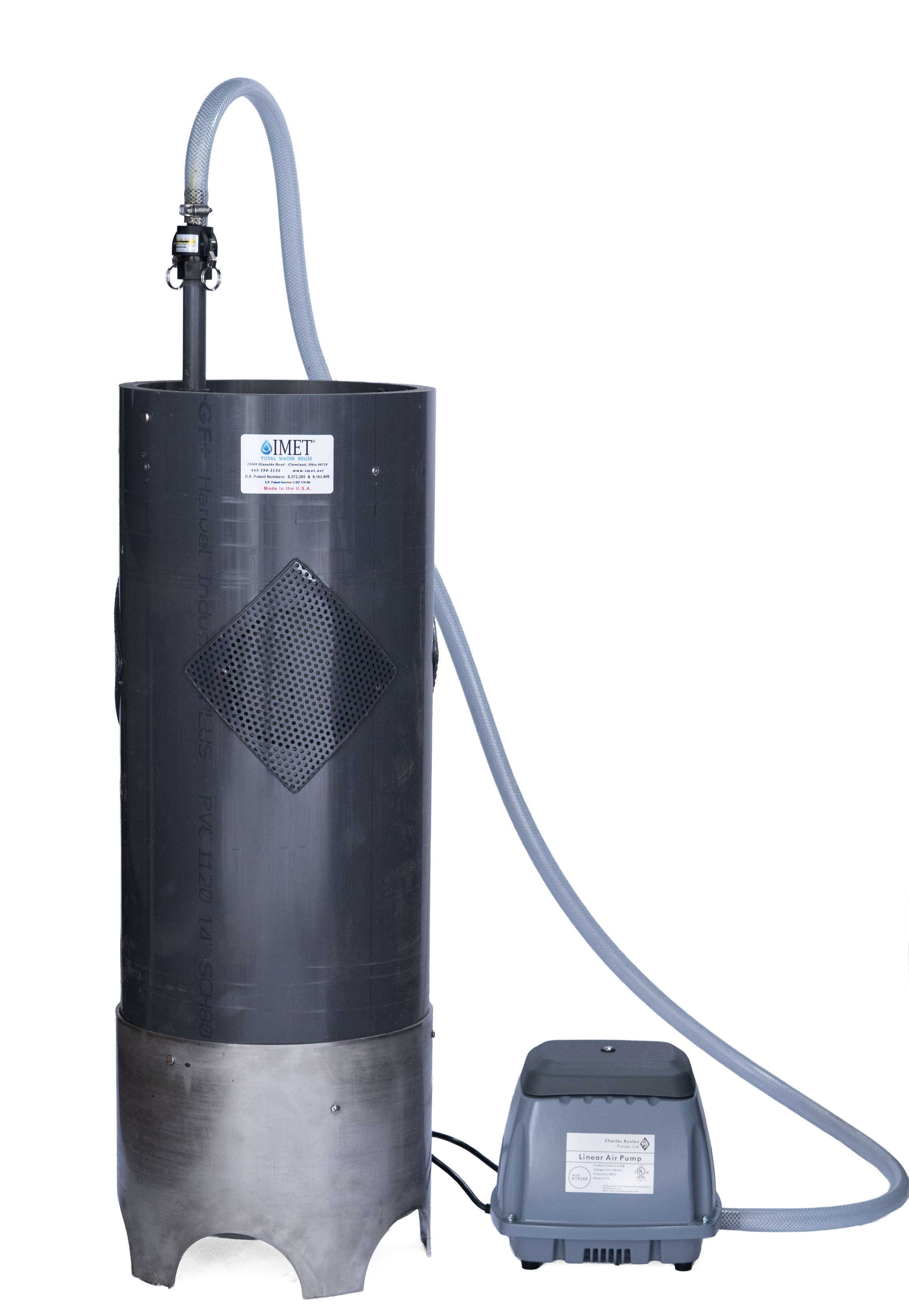
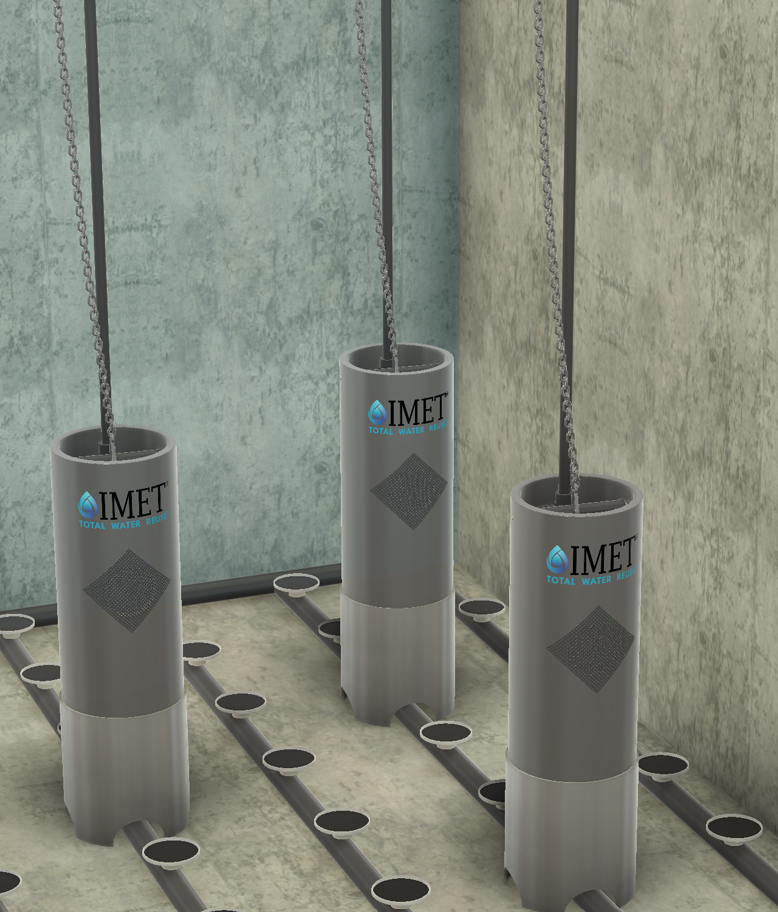
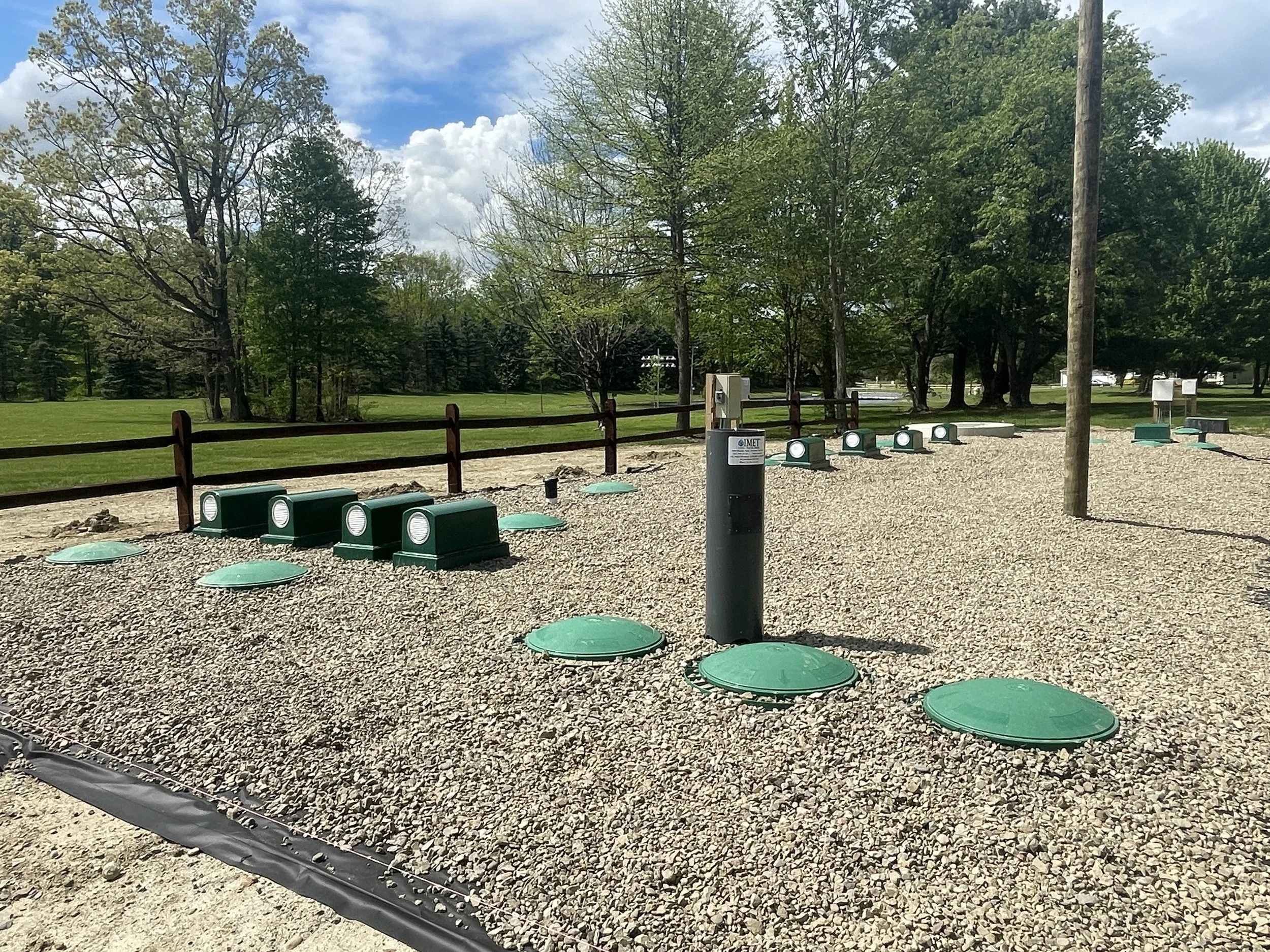
Install in existing or new wastewater treatment plants, or deploy modular units
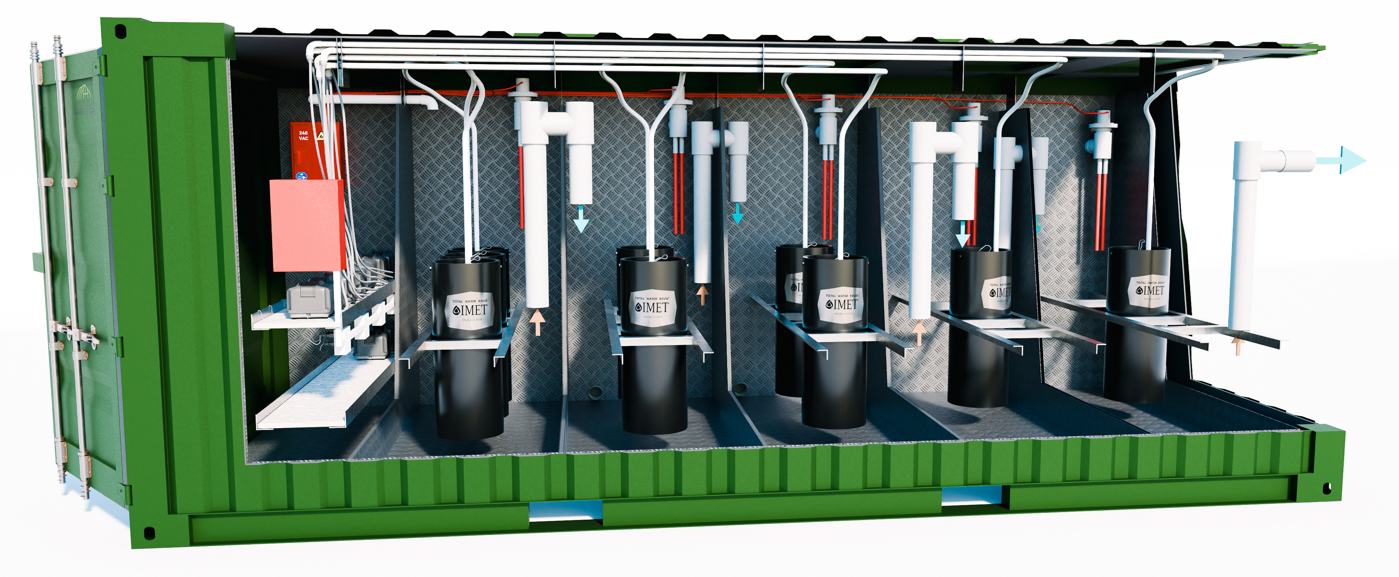
Containerized System
- 10 IMET Treatment Modules within a 20ft container (6280 gal)
- 12–24 hr retention time
- 2 kW of continuous power for aeration
- Negligible bio-sludge
- Reuse-quality effluent after filtration and UV disinfection
O&M is concentrated outside the treatment core: air delivery equipment, UV disinfection components, and any site-specific pumps, controls, or sampling requirements. The biological modules themselves have no internal filters or moving parts and the patented technology is designed to remain in place without routine media replacement or washout-related servicing.
IMET® Treatment Modules (ITM) can be used as stand-alone treatment systems or can be inserted into existing wastewater treatment plant infrastructure. ITMs will increase capacity of existing systems while also eliminating odor issues and providing significant energy savings. ITMs treat biological oxygen demand (BOD), chemical oxygen demand (COD), ammonia (NH3), nitrate (NO3), and nitrite (NO2) in low and high strength wastewaters.
The quality of the ITM-treated wastewater enables reuse for irrigation and wash water, following disinfection by a UV unit or other disinfection treatments.
Key Benefits:
High surface area multi-media to sustain high concentrations and high diversity of bacterial systems
Proprietary aeration design enables highly energy efficient operation
Extremely low total suspended solids in discharge
Space-efficient, modular treatment units
Resistant to toxic shock
Resistant to pH and temperature variations
No loss of service
Reduced retention times
Highly efficient digestion of COD and BOD
The IMET® technology is a modular design that is able to fit any new or existing system. IMET Corporation offers customers a solution to meet individual client requirements. The IMET® “drop in” technology is designed to create a nearly 100% aerobic environment in a treatment plant that allows for fast, lasting results.
IMET’s patented modular technology utilizes Engineered Bioactive Porous Media™ to cultivate and protect an extremely large population of diverse aerobic bacteria and maintain dissolved oxygen levels ≥ 3ppm.
Coupled with a unique energy-efficient aeration design, the IMET® technology requires less air to achieve maximum results.
ITM System:
Modules sized to meet WWTP specifications and requirements
250-450 watts per module
Learn More
Problem: Coastal city on the Aegean Sea is a renowned tourist area with pristine beaches for domestic and global tourism with a population of 3,500 during the winter months. During the peak season (April through October) the population reaches 15,000. The city’s 300,000 gpd wastewater treatment plant (WWTP) was failing due to this population increase. To meet the treatment requirements, a sizeable WWTP expansion was needed. This solution, however, was geographically and economically unfeasible. The effluent wastewater was reused for the required irrigation of the olive groves on the hillside. This practice, however, caused an unfortunate increase in e-coli and intestinal enterococci population in the sea at nearby beaches resulting in the loss of beaches’ Blue Flag status.

Municipal Case Study:
City of Karaburun, Turkey
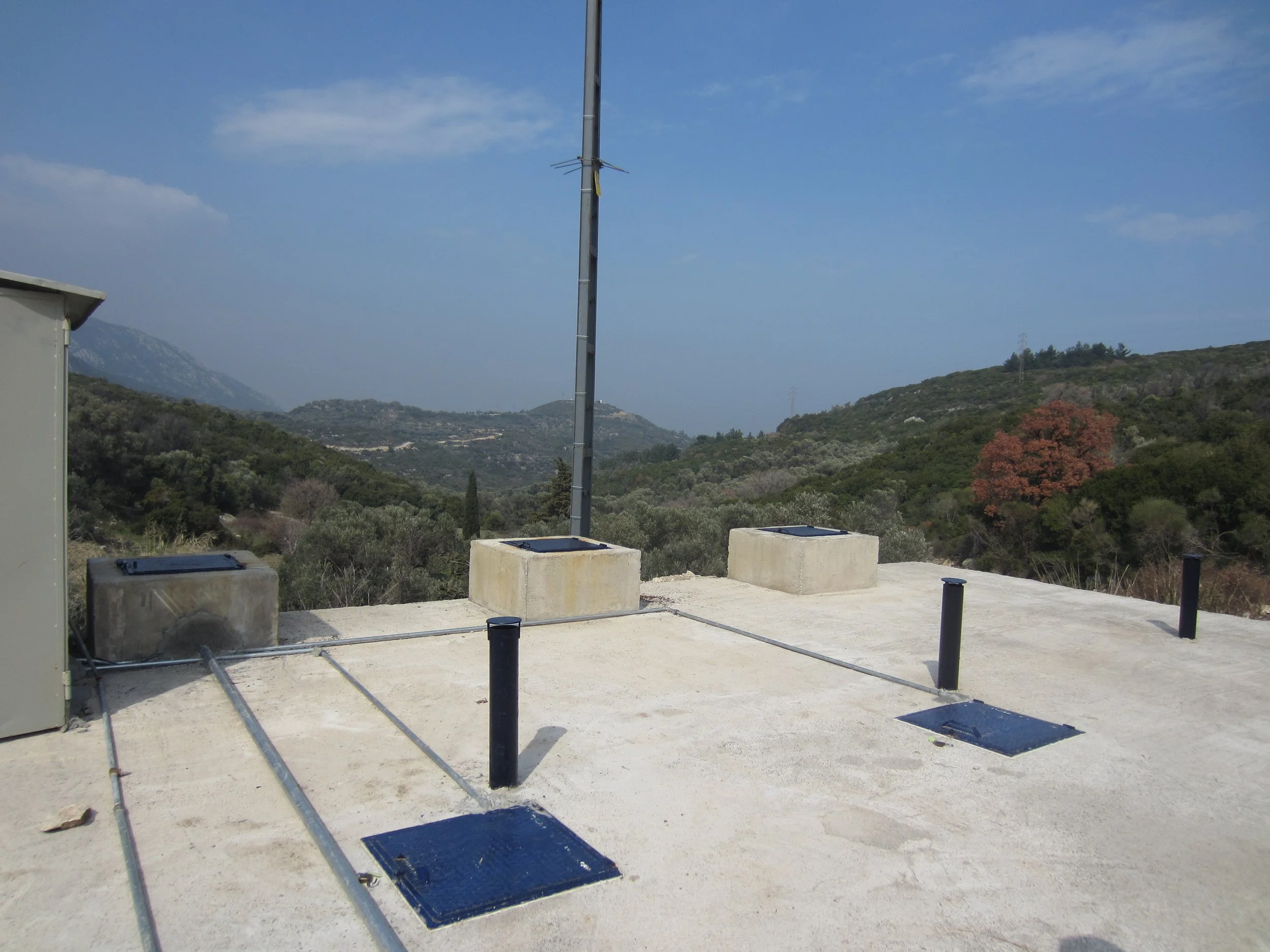
Solution: Thirty two (32) IMET Wastewater Treatment Modules (WTM) were installed into the aeration basin of the existing WTTP infrastructure without any additional construction or expansion.
Results: The city achieved meeting the effluent requirements at all times by sustainable reduction of COD, BOD and TSS. Treated wastewater continued to be reused for the needed irrigation. The city reported that the implementation of IMET technology achieved significant reduction of e-coli and intestinal enterococci population in the sea, thereby allowing its beaches’ to regain the coveted Blue Flag status. This was a major positive economic impact for the region. While the required effluent quality was maintained, bio-sludge production was also at an extreme minimum. Therefore, with installing IMET WTM Technology, the city also realized major savings from significant reduction of sludge disposal.

Commercial Application Case Study:
IMET System Provides Complete Treatment Including High-Strength Waste From RV Park
Problem: A new owner of an RV Park in northeast Ohio was challenged with replacing the existing outdated, failing septic system. The park has a peak load of 258 seasonal campsites, 22 transient RV sites and 24 primitive sites. The high-strength blackwater waste was being serviced through an onsite dump station collection system. The showers, the manager’s home and the office were all being treated through the same system. The owner was also tasked with planning for new, centralized lavatories and showers for the RV park to be connected to the new wastewater treatment system.
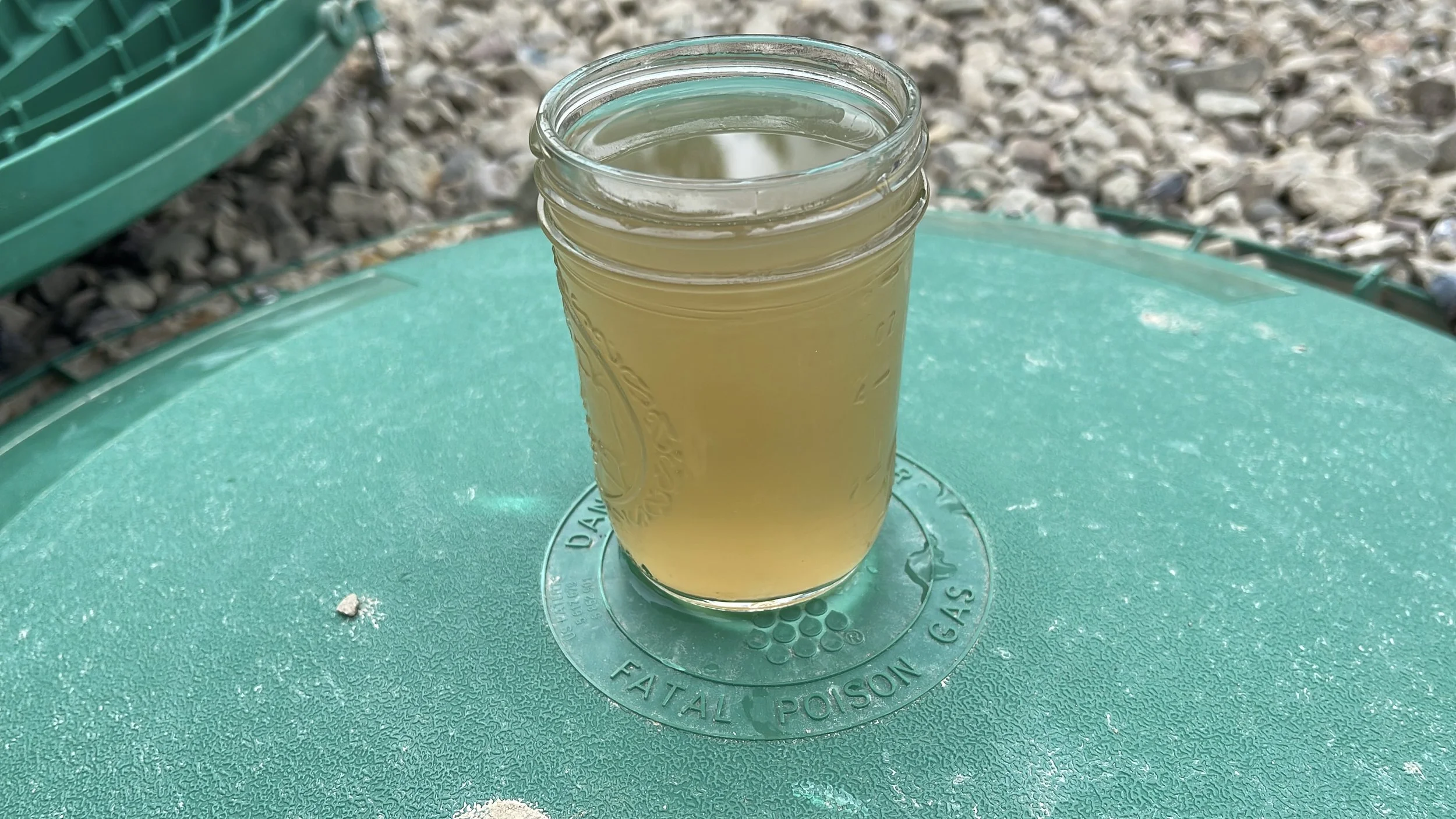
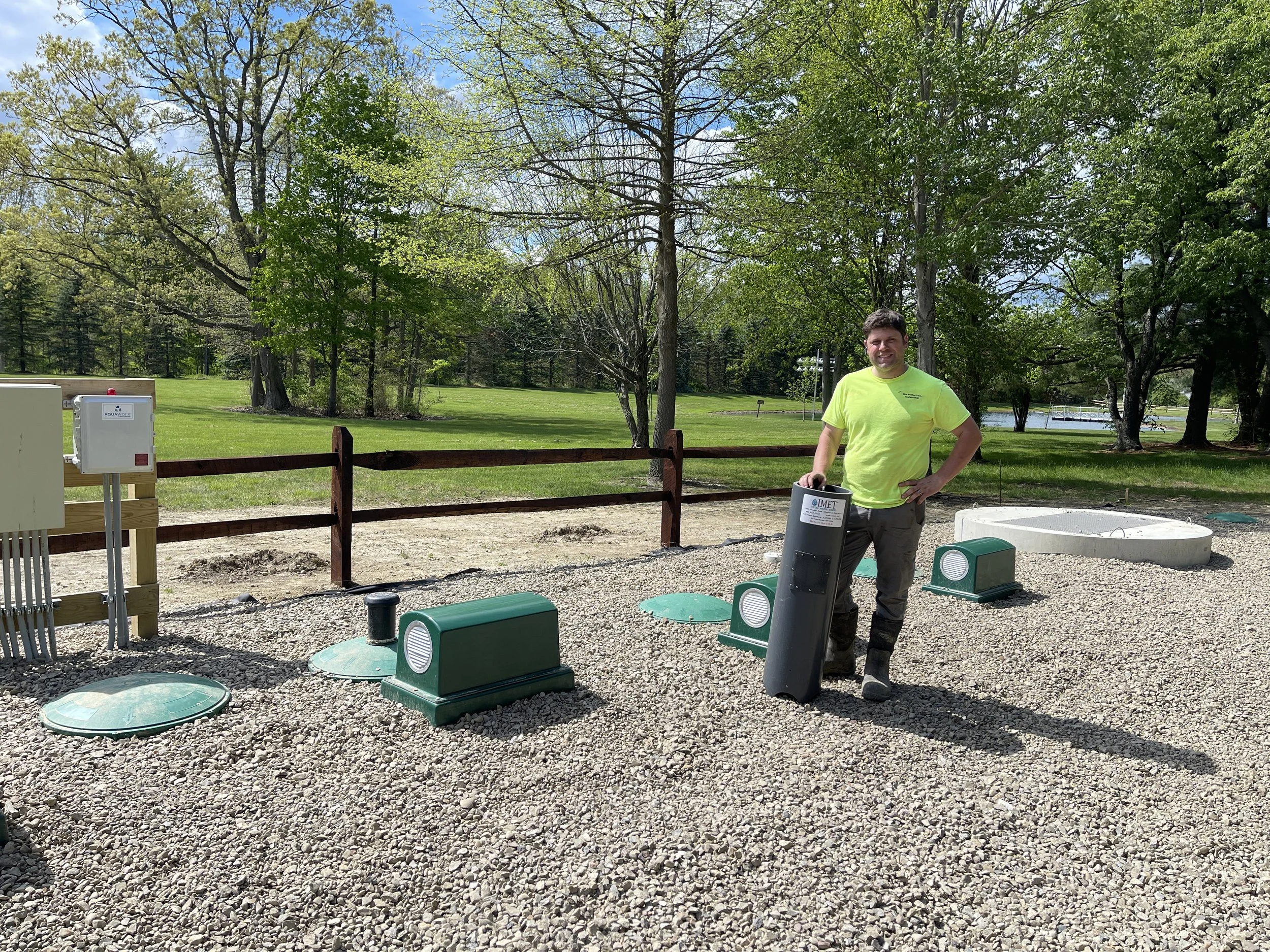
Solution: The Potter’s Company designed a wastewater treatment system employing the IMET aerobic packed-bed media biological reactors for complete treatment to discharge into a drip distribution system for soil dispersal. The reactors are first used to treat the high-strength waste from the dump stations. Treated effluent from the dump stations is then mixed with the waste from the manager’s home, office, new lavatories and showers in a flow equalization system to manage peak loading. The reactors are then used to complete the treatment of the wastewater to levels below 30 mg/L for safe soil absorption.
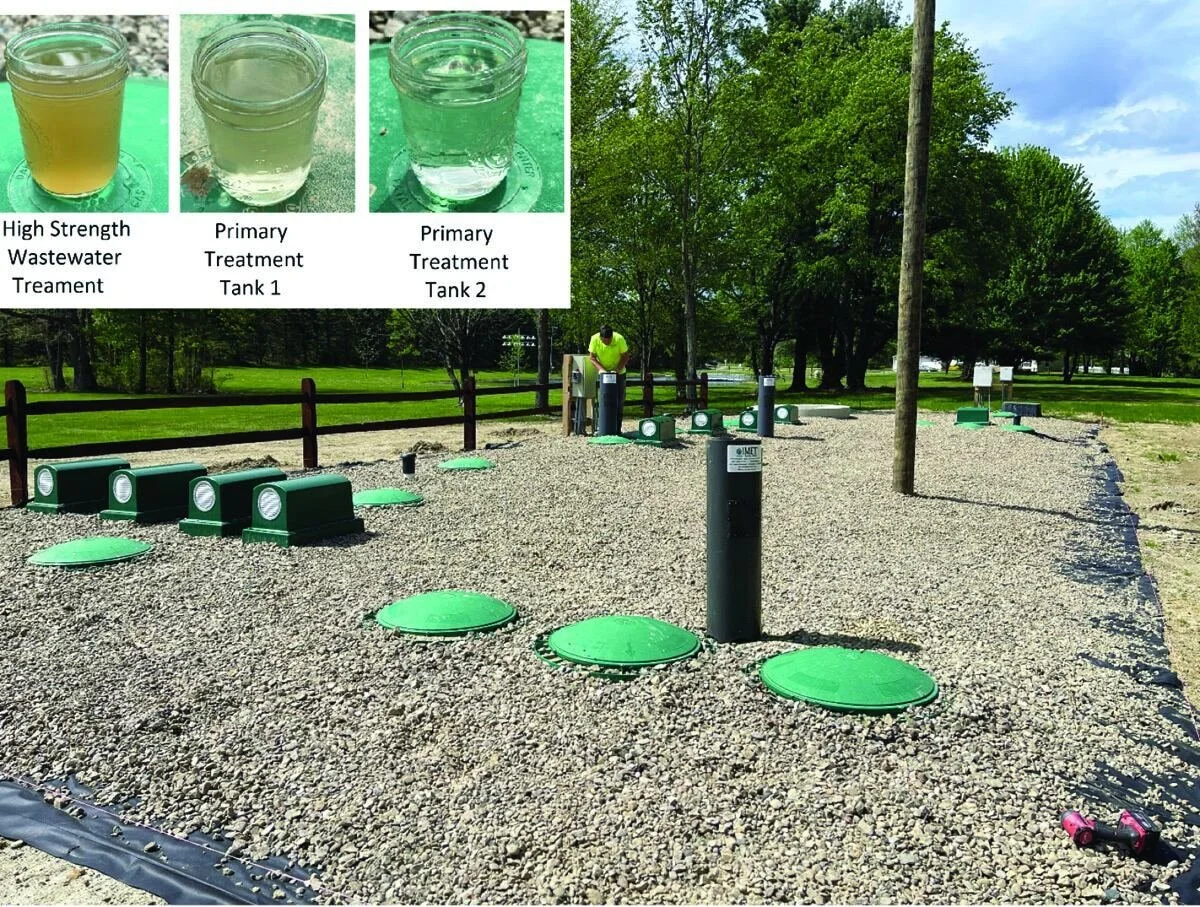
Result: The EPA-permitted wastewater treatment system went into successful operation Feb. 6. The park is open to seasonal campers and fully operational. On a recent visit to the site, dip samples were taken through the treatment train, as seen in the inset images.