

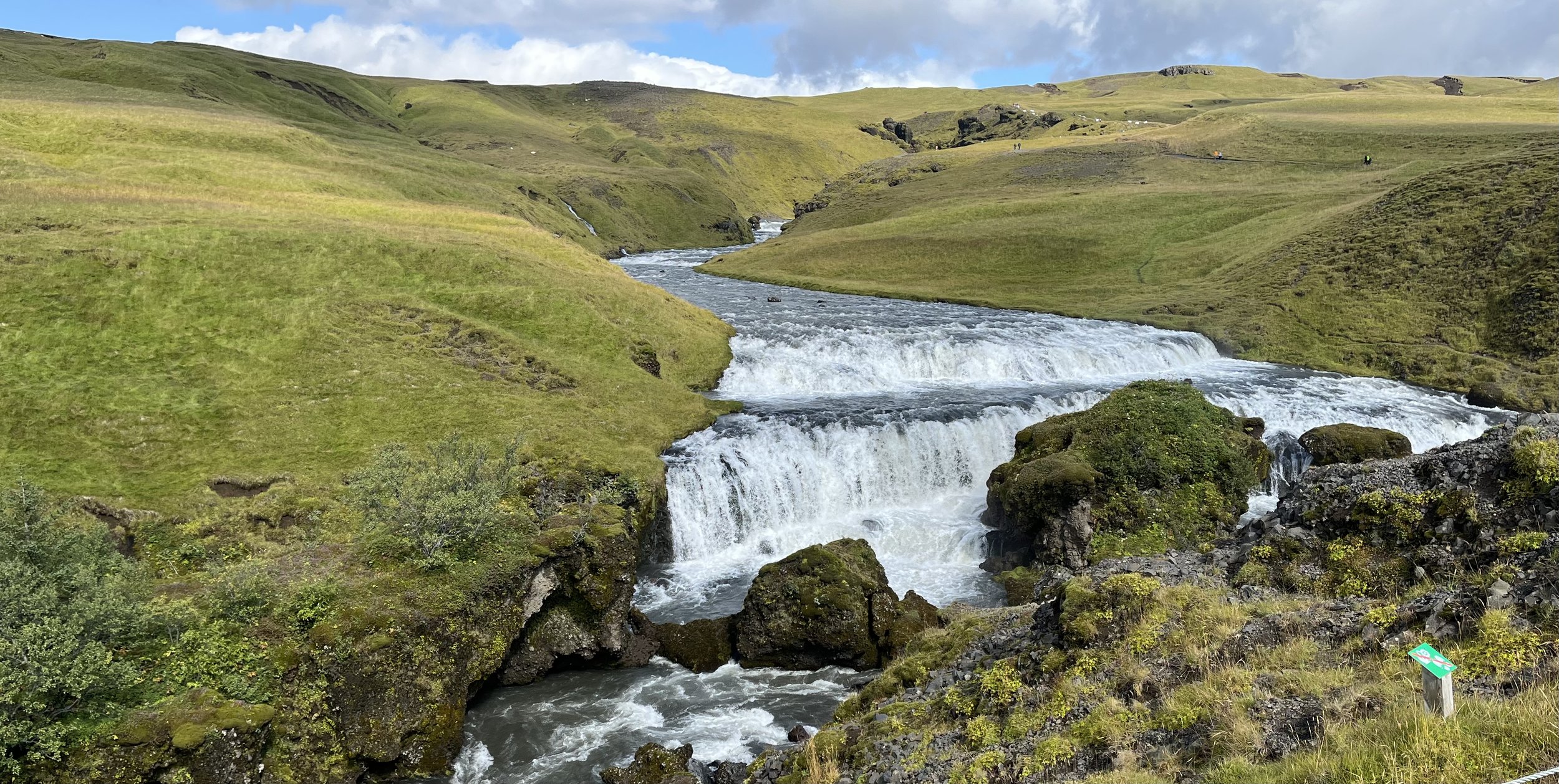
Learning from “Nature’s Way”
At the core of each module is a porous packed bed filled with natural and synthetic media with a range of pore sizes and surface characteristics. This structure creates extensive surface area for differentiated bacterial communities to attach — similar to the varied surfaces of rocks and sands in streams and soils.
IMET Technology’s aeration design maintains dissolved oxygen at or above 3 ppm, with extended contact time that maximizes air-to-water interface. These conditions allow diverse bacterial communities to establish, stabilize, and continuously treat wastewater.
We can’t expect nature to process modern wastewater on its own. The volume and concentration of modern wastewaters exceed what natural systems evolved to handle.
But we can mimic the conditions that make nature's way work. We can optimize them, make them scalable and modular, and use them to protect nature and public health.
IMET - Total Water Reuse
IMET
Increase holdup time of air bubbles within the waterbody
Nature – Air to water interface enables 4 to 10 ppm DO in waterways (depending on ambient temperature)
IMET – Long-term entrapment of air bubbles (21% Oxygen in an air bubble) within the packed bed enabling extremely long contact time for air to water interface
Nature – Large variety of substrates in riverbeds, lakes, ponds, ocean reefs with different surface characteristics (rocks, stones, sands, corals, tree roots, logs, etc.)
IMET – Highly porous packed bed with a proprietary mix and arrangement of natural and synthetic media, with various surface characteristics sustaining a variety of bacterial systems
Increase air-to-water interface by continuous movement of the waterbody
Nature – Currents, eddies, wind, storms, waves, waterfalls, rain
IMET – Continuous movement by circulation of wastewater through the packed bed within the Treatment Module
IMET systems support biological processes that:
Continuously break down organic material
Minimize bio-sludge accumulation
Suppress odors at the source
Maintain consistent treatment performance
Sustain high population of dynamic, diverse aerobic bacteria within the waterbody
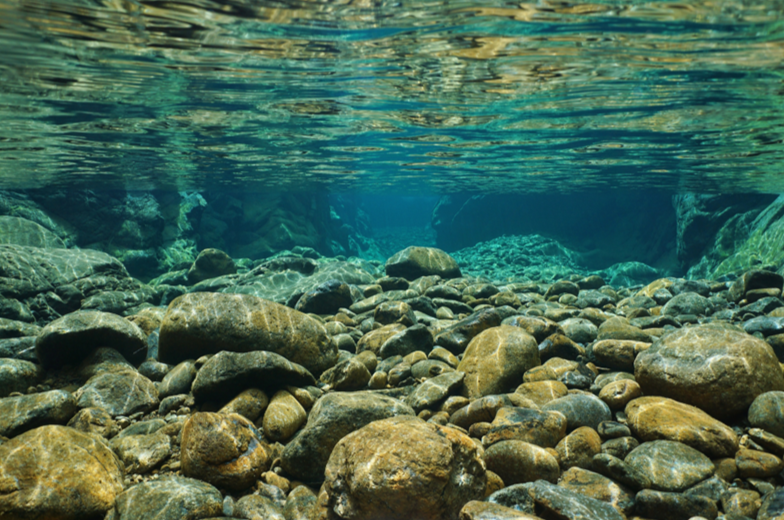
Maintain dissolved oxygen (DO) levels ≥ 3ppm to sustain aerobic environment
Earth’s waterways are the most extensively tested wastewater treatment system we have.
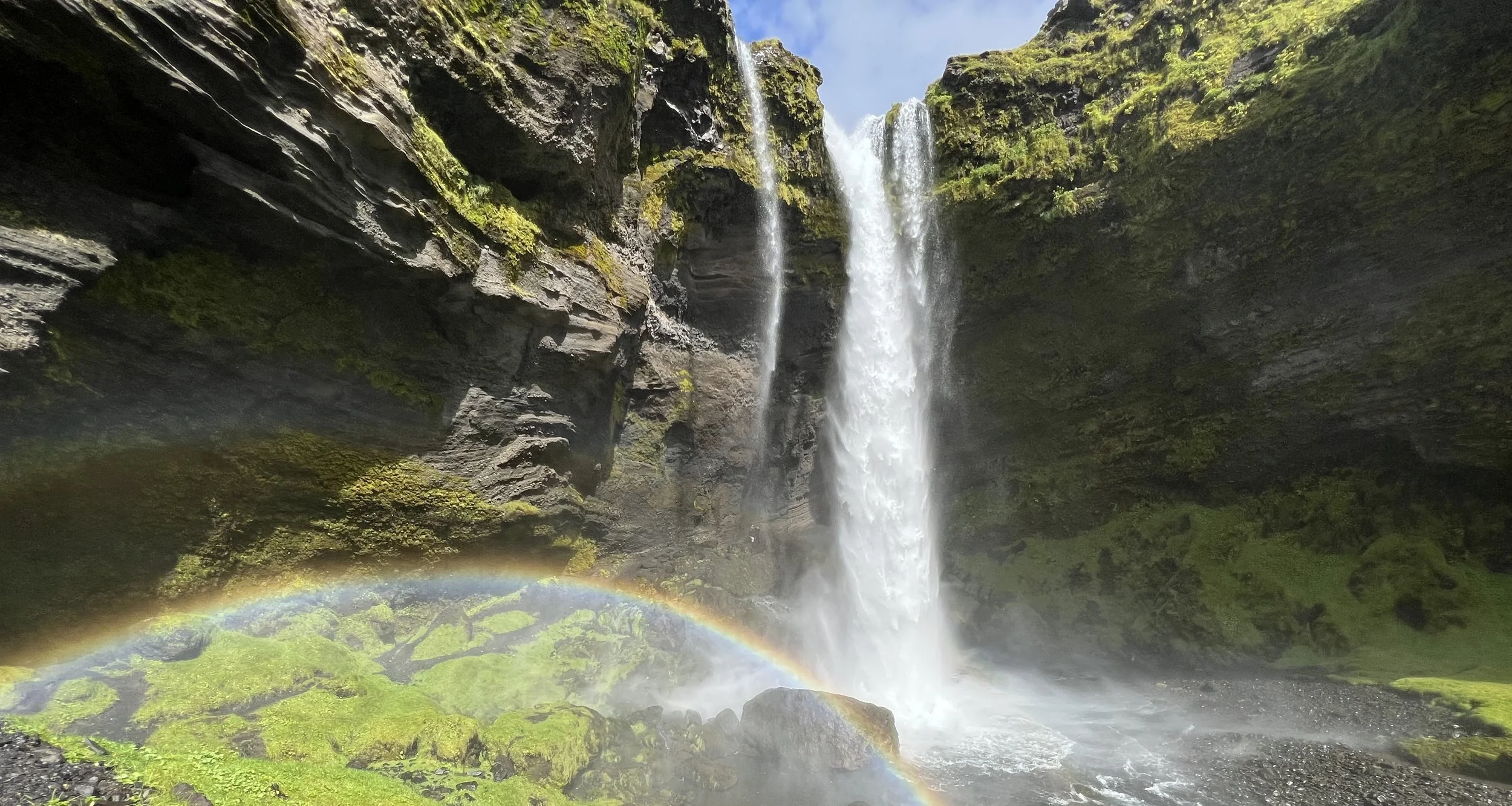
Nature’s Way Works. Nature is efficient. It’s adaptive. It lasts.
IMET simply creates the environment where nature can do what it already does best.
In rivers, wetlands, and soils, water is cleaned every day through simple, powerful conditions.
Microorganisms attach to stones, roots, and other surfaces. Oxygen is diffused through the currents, eddies, waterfalls, and other measures that ensure high air-to-water contact. Biological communities organize themselves and maintain balance through diversity, predation and nutrient cycling.
When those conditions are present, nature reliably delivers:
Elimination of H₂S odor
Elimination of bio-sludge accumulation
Sustained low, healthy balance of BOD, TSS, TN, and TP
Sustained diverse bacterial system independent of hydraulic load
Increased treatment efficiency
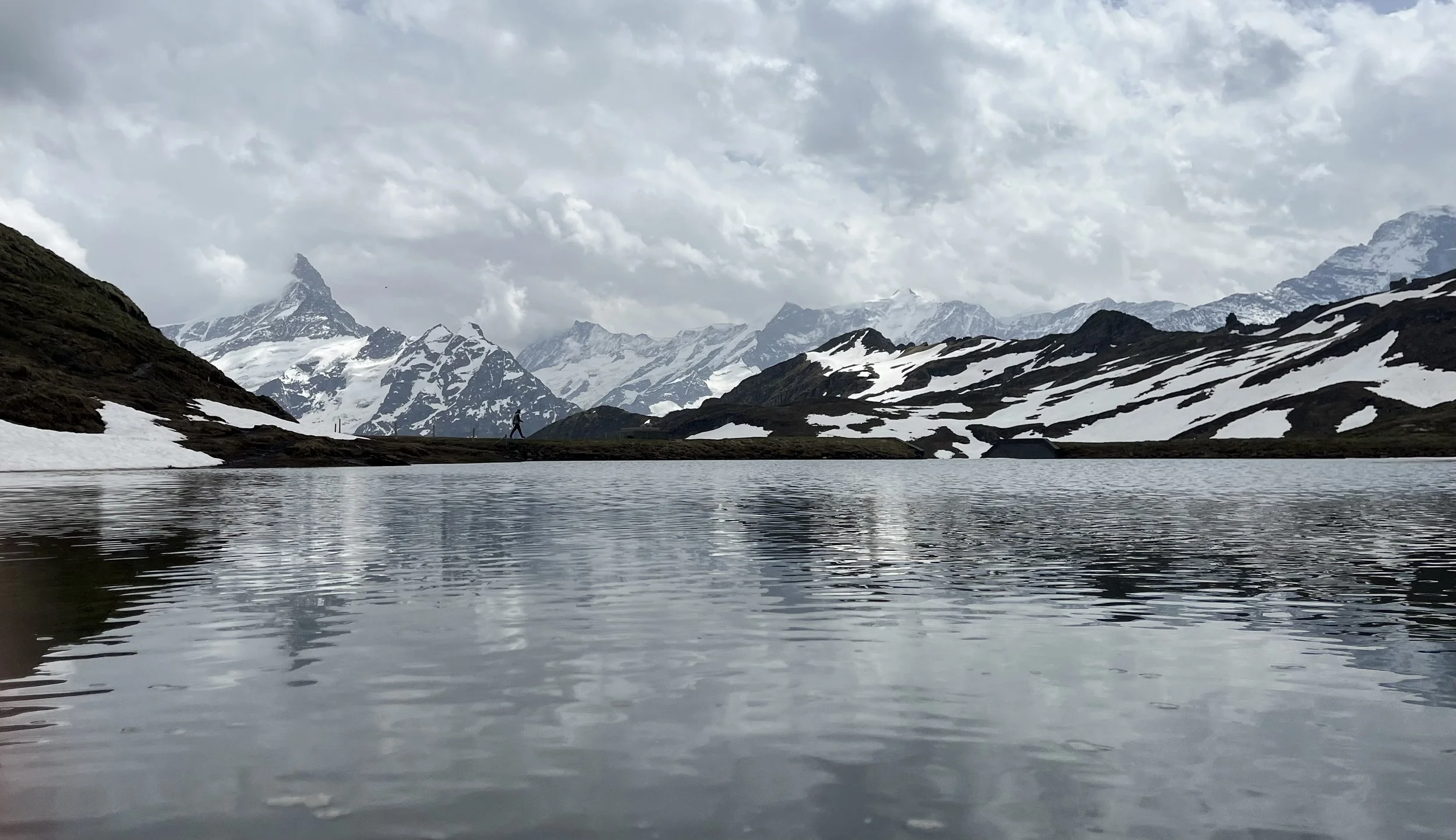
IMET systems are designed to mimic essential conditions found in healthy waterways
-
Nature – Large variety of substrates in riverbeds, lakes, ponds, ocean reefs with different surface characteristics (rocks, stones, sands, corals, tree roots, logs, etc.)
IMET – Highly porous packed bed with a proprietary mix and arrangement of natural and synthetic media, with various surface characteristics sustaining a variety of microbial systems
-
Increase air-to-water interface by continuous movement of the waterbody
Nature – Currents, eddies, wind, storms, waves, waterfalls, rain
IMET – Continuous movement by circulation of wastewater through the packed bed within the Treatment Module
Increase holdup time of air bubbles within the waterbody
Nature – Air to water interface enables 4 to 10 ppm DO in waterways (depending on ambient temperature)
IMET – Long-term entrapment of air bubbles (21% Oxygen in an air bubble) within the packed bed enabling extremely long contact time for air to water interface
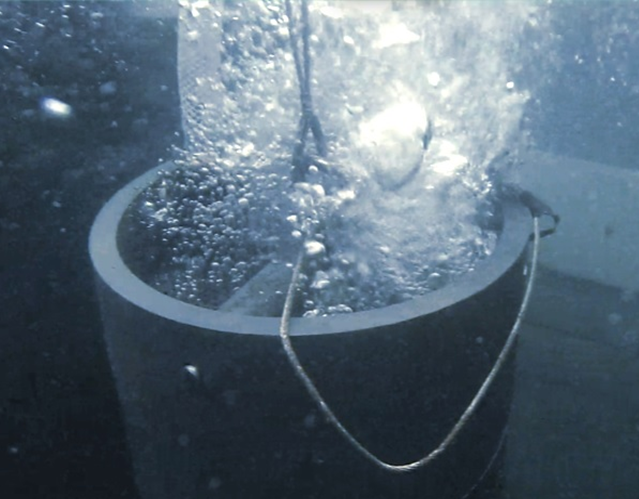
At the core of each module is a porous packed bed filled with natural and synthetic media with a range of pore sizes and surface characteristics. This structure creates extensive surface area for differentiated microbial communities to attach — similar to the varied surfaces of rocks and sands in streams and soils.
IMET Technology’s aeration design maintains dissolved oxygen at or above 3 ppm, with extended contact time that maximizes air-to-water interface. These conditions allow diverse microbial communities to establish, stabilize, and continuously treat wastewater.
IMET systems support biological processes that:
Continuously break down organic material
Minimize bio-sludge accumulation
Suppress odors at the source
Maintain consistent treatment performance