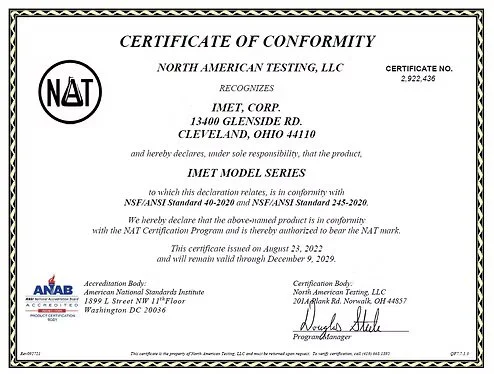
NSF/ANSI 40 and 245 Certified Residential Wastewater Treatment System
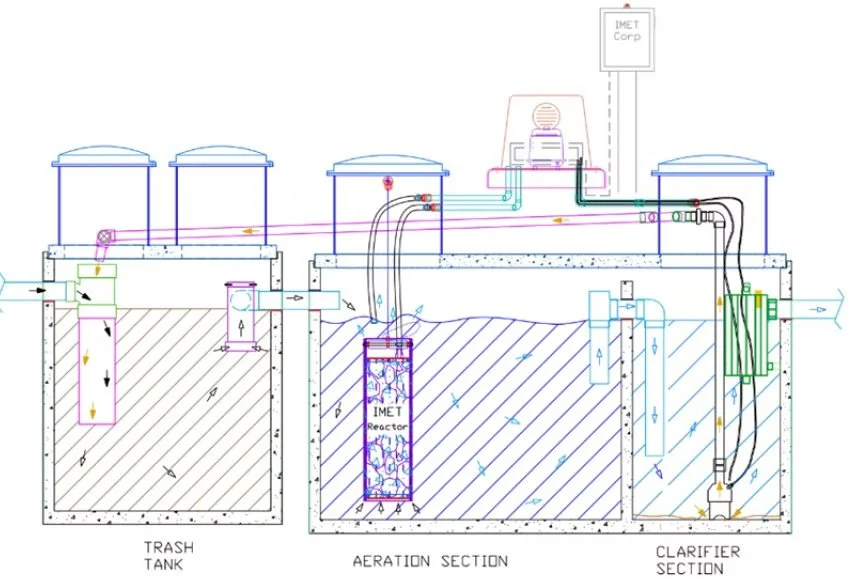
IMET’s advanced residential treatment systems use Engineered Bioactive Porous Media™ Technology to sustain dense, diverse aerobic microbial populations to efficiently remove BOD, TSS, and Total Nitrogen. Because the biology is primarily retained within the media, the system is resistant to biomass washout during hydraulic or chemical shock and can remain stable through periods of low organic loading.
The system successfully completed testing to NSF/ANSI Standards 40 and 245, achieving 91.8% average CBOD₅ reduction, 94.9% TSS reduction, and greater than 50% Total Nitrogen reduction, with an average effluent quality of 16 mg/L CBOD₅.
IMET Residential Treatment Systems
System Capacity & Biological Treatment
| System |
Maximum Daily Flow |
Total Media Surface Area |
Residential CBOD5 Reduction |
Estimated High-Strength CBOD5 Removal1 |
|---|---|---|---|---|
| 600.S | 600 GPD | 13,645 ft² | 0.99 lb/day | 1.78 lb/day at 300–400 mg/L influent |
| 900.S | 900 GPD | 22,510 ft² | 1.64 lb/day | 3.09 lb/day at 300–400 mg/L influent |
| 1200.S | 1,200 GPD | 33,752 ft² | 2.46 lb/day | 4.63 lb/day at 300–400 mg/L influent |
| 1500.S | 1,500 GPD | 45,002 ft² | 3.28 lb/day | 6.17 lb/day at 300–400 mg/L influent |
1. *Estimate is scaled according to reactor surface area: 300–400 mg/L at ~500 gpd showed 1.37 lbs/day of CBOD5 reduced (avg. Influent 335 mg/L, avg. Effluent 20.9 mg/L) during the Acclimation Period and the 6 months of NSF/ANSI 40/245 testing for 7 total days during June, July, August and September. Estimates should be considered preliminary system-sizing guidance and confirmed for project-specific wastewater characteristics, hydraulic loading, and regulatory requirements.
Have a project in mind? Contact IMET to discuss system design, pricing, or project-specific applications.
91.8% CBOD₅
94.9% TSS
>50% TN reduced
IMET’s EBPM™ platform supports configurable biological nitrogen removal.
The NSF/ANSI 245 test configuration achieved 51.3% Total Nitrogen reduction. Additional nitrification and denitrification capacity achievable through system design, hydraulic retention, and recirculation.




Engineered Bioactive Porous Media™ Technology
The IMET® Engineered Bioactive Porous Media™ (EBPM™) wastewater treatment technology is engineered to cultivate, sustain, and protect extremely large and diverse aerobic bacterial communities within its three-dimensional structure.
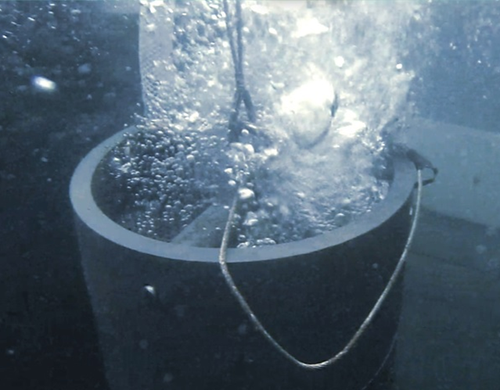
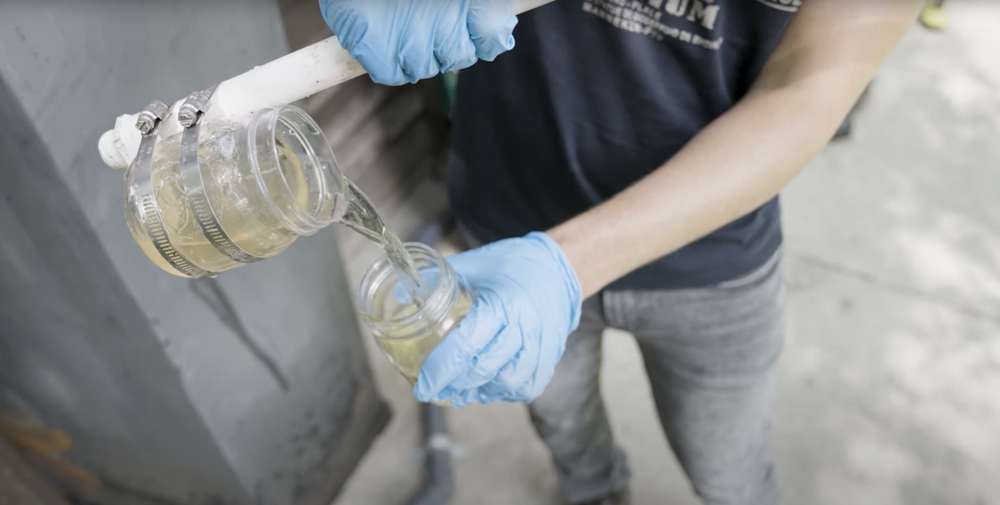
High population of colonies of aerobic bacteria within the module
Large porous solid surface area houses extremely large population of highly diverse bacteria
- 3,000 – 90,000 sq ft / cu ft – Inorganic and Synthetic media
- Varied Physicochemical Properties
Negligible to no bio-sludge production
Bacterial populations develop and complete their lifecycle within the pore structures
- Decomposed dead bacteria are consumed within the pores of the media
Aerobic environment, with dissolved oxygen (DO) levels ≥ 3 ppm at all times
Increased holdup time of air bubbles within the waterbody
- Proprietary design enables the packed porous media to become saturated with entrapped air bubbles
Discover the full potential of IMET® EBPM™ Technology
-
![]()
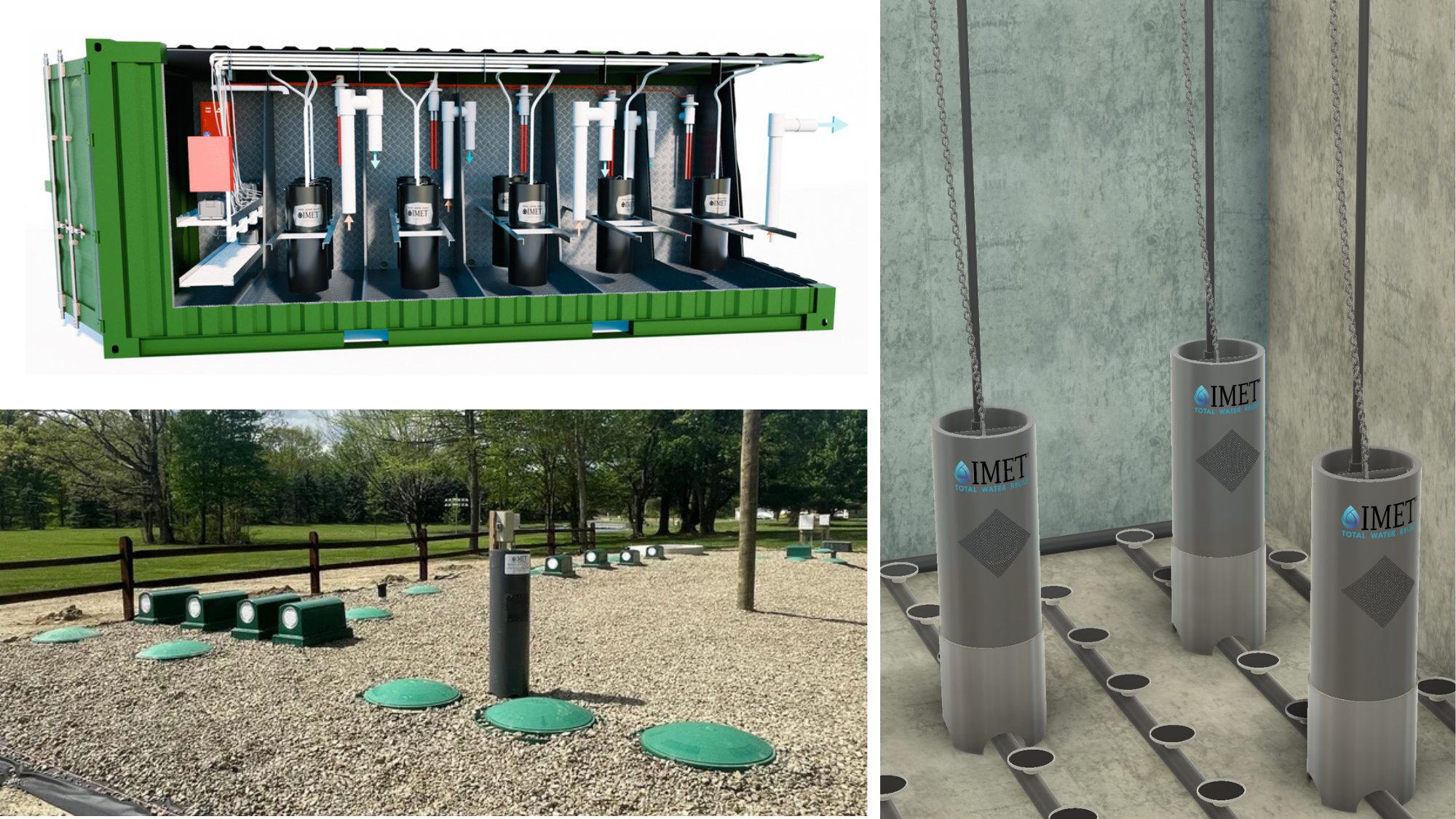
Wastewater Treatment Plants
IMET® Treatment Module (ITM)
Meets discharge requirements at all times
Minimal to no H₂S odor
Minimal to negligible bio sludge production
Space-efficient, modular treatment
Resistant to toxic shock
Reduced retention times
Small footprint
For new or existing wastewater treatment plants
-
![]()
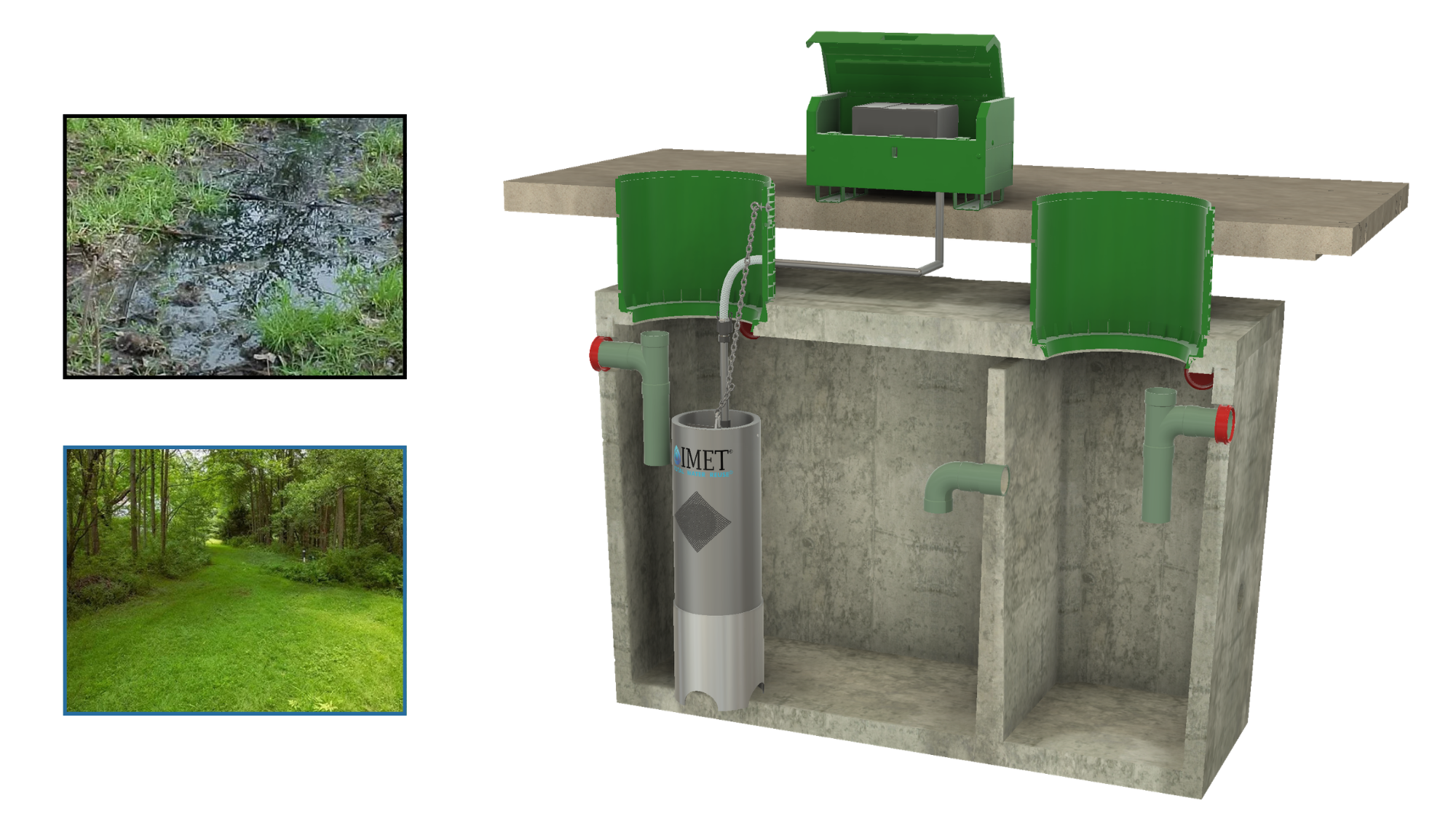
Residential Septic Remediation
IMET® Remediation Module (IRM)
Meets discharge requirements at all times
Minimizes pumping requirements
Eliminates bad odor (H₂S) to negligible levels
Remediates existing failing septic system
Recovers leach field
Potential reuse of treated water
Significant reduction of fecal coliform
-
![]()
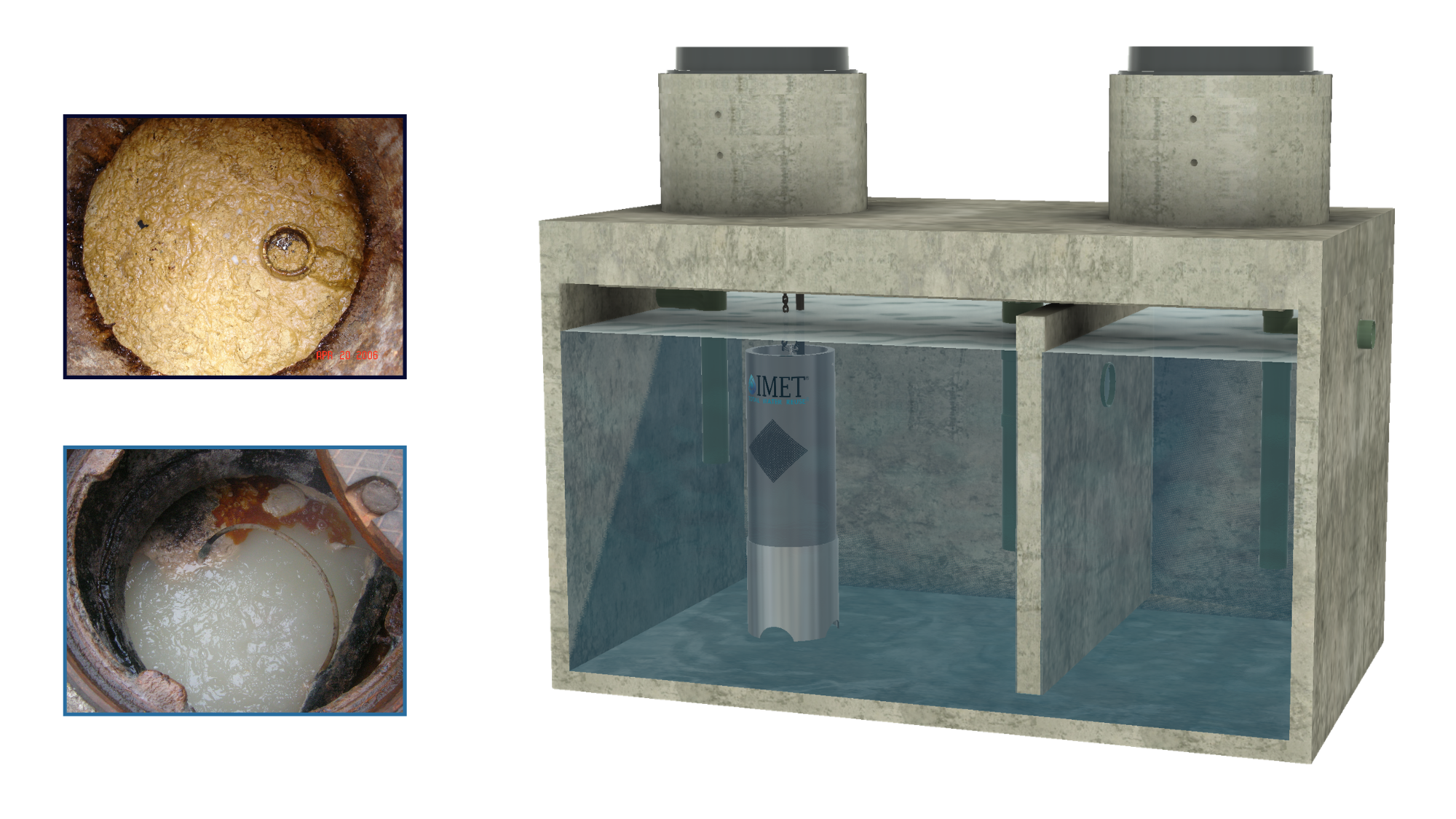
Grease Interceptors / Traps
IMET® Grease Module (IGM)
Eliminates bad odor (H₂S) to negligible levels
Minimizes or eliminates jetting and pumping
Accelerates the biological degradation of FOG
Eliminates build-up of FOG in downstream lines and lift station
-
![]()
Lift Stations
IMET® Grease Module (IGM)
Eliminates bad odor (H₂S) to negligible levels
Minimizes or eliminates jetting and pumping
Continuously inoculates downstream sewer lines with adapted aerobic bacteria
Minimizes floating grease and maintains lines free of grease buildup
-
![]()
Vault Toilets
IMET® Vault Module (IVM)
Reduction of H₂S odors to negligible levels
Minimize or eliminate pump truck pumping
Sustained biological treatment of bio-solids
Deployable both on and off grid
-
![]()
NSF / ANSI 40 & 245 Systems
(ITM - Residential Septic)
BOD, TSS and Total Nitrogen reduction meeting discharge requirements
Minimal to no bio sludge production
Minimizes pumping requirements
Minimal to no H₂S odor
Highly diverse and large population of aerobic bacteria sustained within the module