IGM - Lift Stations
IMET® Grease Module
Installed directly into water body
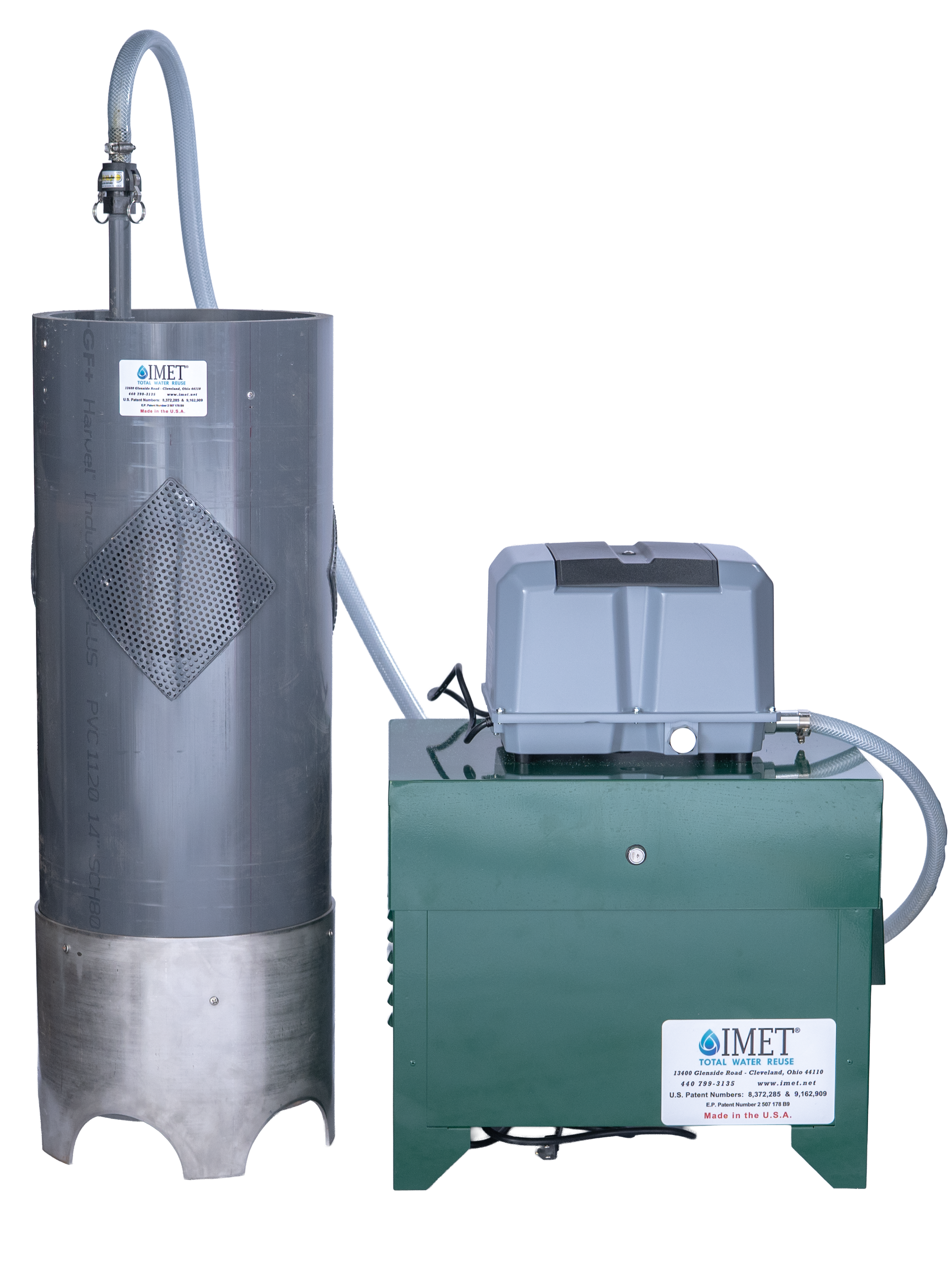

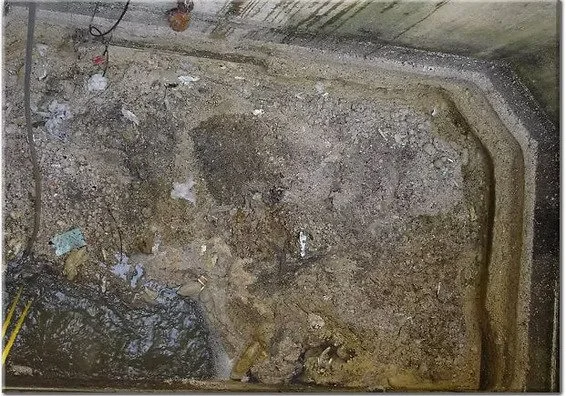
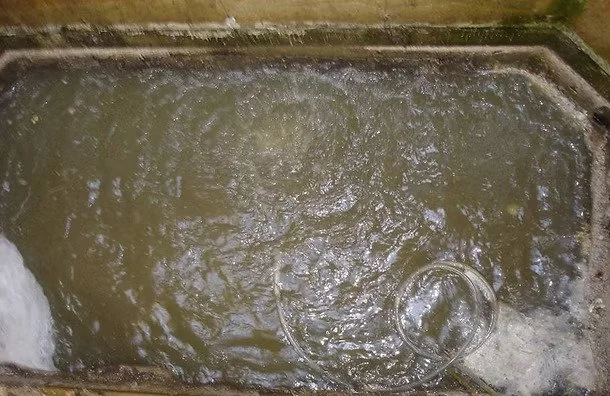
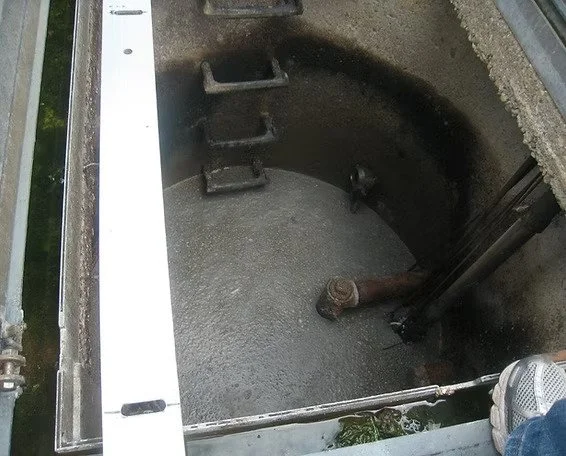
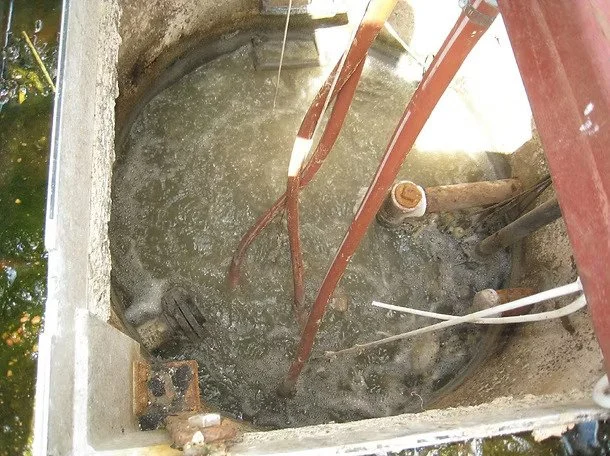
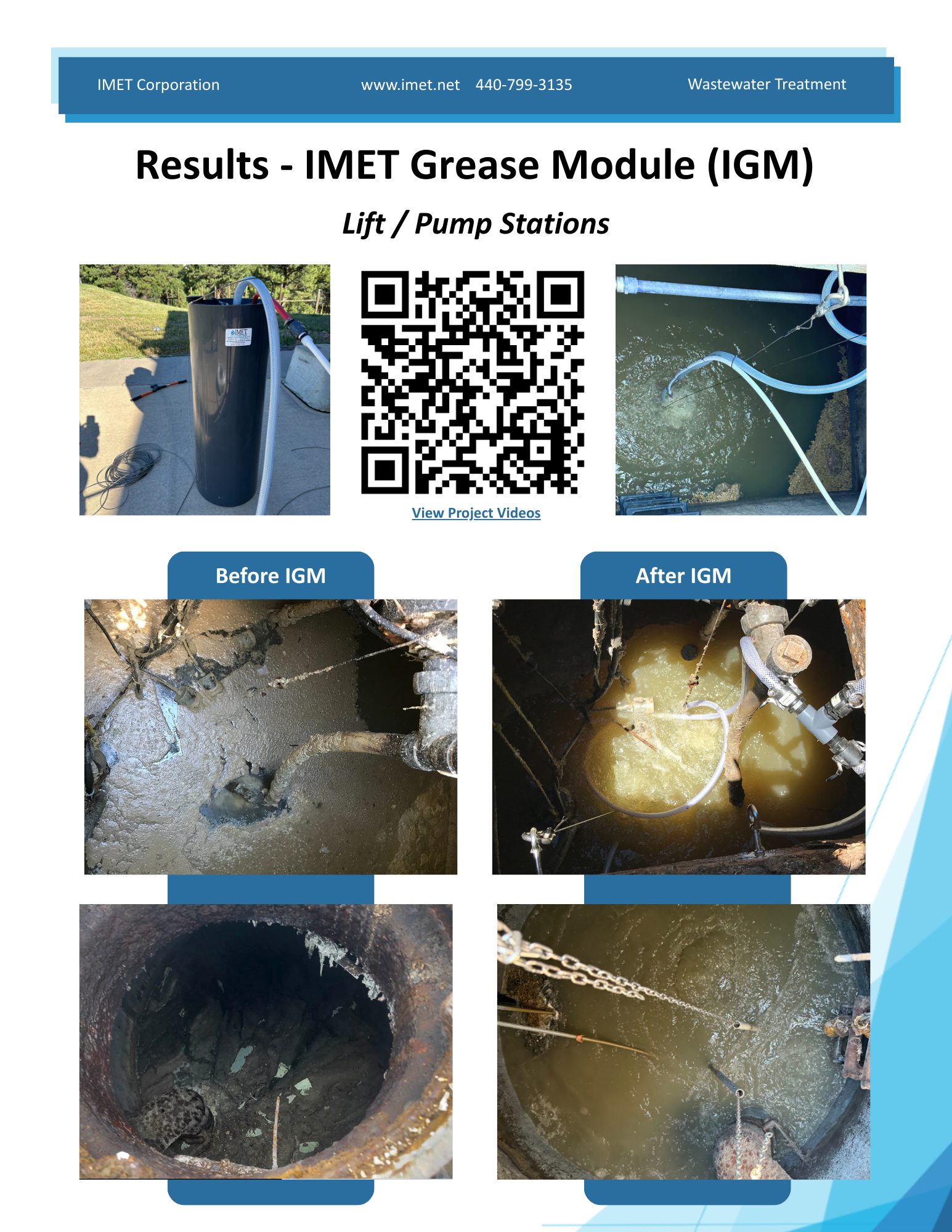
The IMET® Grease Module (IGM), when installed in the existing lift station infrastructure, creates a nearly 100% aerobic environment. Anaerobes become dormant, and the lift station becomes aerobic. Aerobes produce odorless CO2, SO2, NO2, NO3, and H2O, eliminating bad odors previously produced by anaerobic bacteria. Additionally, the large surface area in the IGMs grow significant populations of bio-diverse bacteria that partially consume the dissolved bio-waste in the wastewater. Floating bio-solids are significantly reduced, and the need for pumping is minimized or eliminated.
Key Benefits:
Nearly 100% aerobic system
Efficient energy usage
Eliminates bad odors (H2S) to negligible levels
Minimizes floating grease
Continuous inoculation of adapted aerobic bacteria into downstream sewer lines
Maintains lines free of grease buildup
Minimizes or eliminates jetting and pumping
Seeds aerobic bacteria to WWTP
The IMET® technology is a modular design that is able to fit any new or existing system. IMET Corporation offers customers a solution to meet individual client requirements. The IMET® “drop in” technology is designed to create a nearly 100% aerobic environment in a lift station that allows for fast, lasting results.
IMET’s patented modular technology utilizes Engineered Bioactive Porous Media™ to cultivate and protect an extremely large population of diverse aerobic bacteria and maintain dissolved oxygen levels ≥ 3ppm.
Coupled with a unique energy-efficient aeration design, the IMET® technology requires less air to achieve maximum results.
Specifications:
1036, 1440 standard size (custom sizing available for non-standard installations)
200-450 watt air pump
Stainless steel housing (if necessary)
Municipal Application Case Study:
Using IMET ® Technology to Minimize Odor and Bio-solids Buildup at an Ottawa County Pump Station
This case study was featured in a Water Daily newsletter in March 2026.
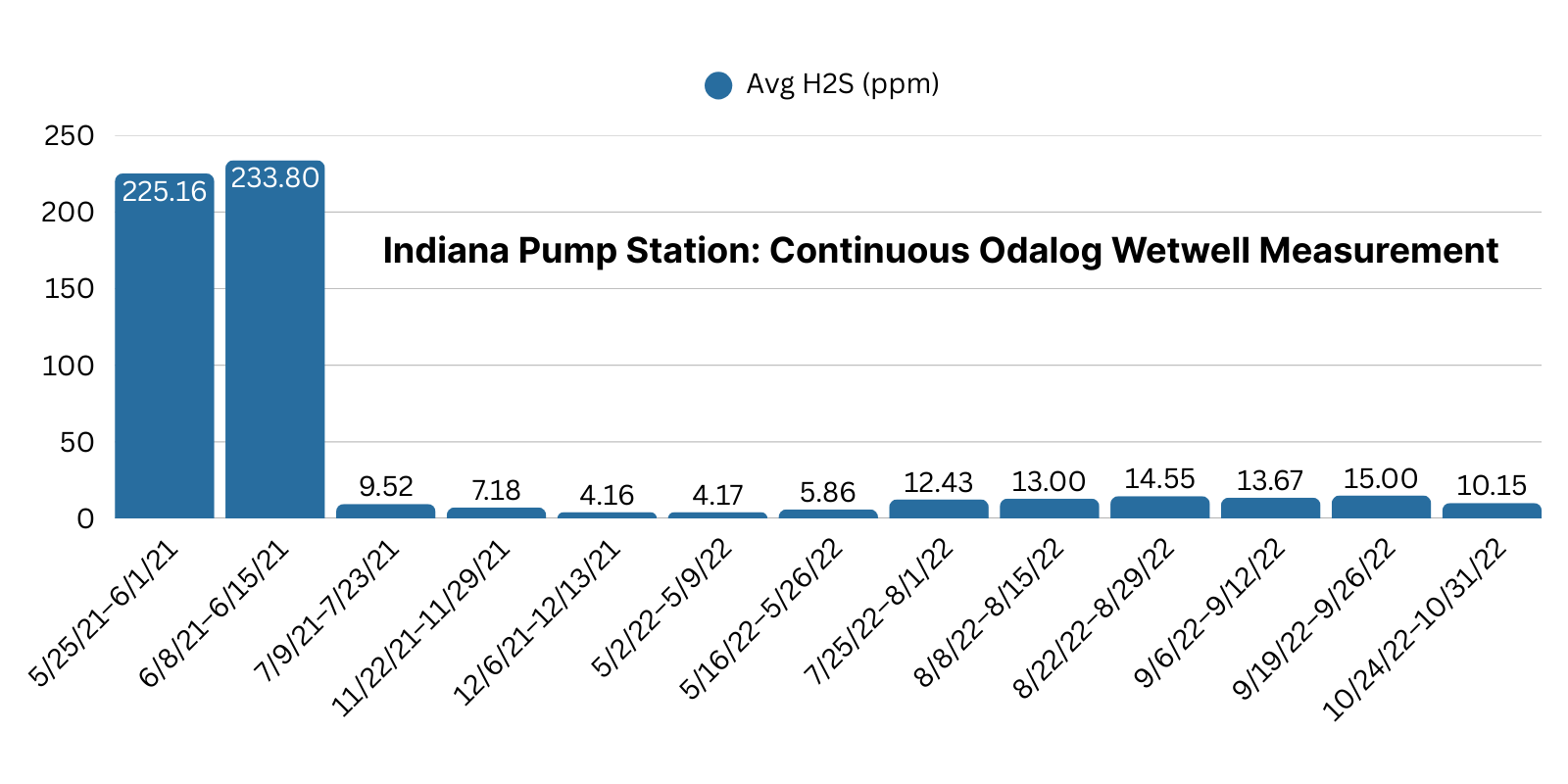
After installing an IMET system at Pump Station 50 (PS 50) in a prominent neighborhood in Ottawa County, Ohio, hydrogen sulfide (H2S) odor was significantly reduced to negligible levels. This is a major win considering the proximity of the pump station to residential homes and Catawba Island’s high tourist population in the summer.
The organic mat that formed on top of the wet well disappeared, helping regulate the water levels and reducing how often it needed to be pumped.
The system delivered 80-95% reduction of CBOD5 in the wet well depending on the fluctuating residence time due to Catawba’s seasonal population changes.
Ottawa County reduced the amount of calcium nitrate sent upstream by 2,470 gallons, resulting in $6,700 in chemical savings from February to September of 2025.
-
Located in a residential neighborhood in Catawba Island, Ottawa County received complaints about foul odors coming from PS 50. Residents wanted the county to provide a sustainable solution that would get rid of the smell for good.
-
Waterways like riverbeds are naturally cleaned by microorganisms that are attached to rocks and sands primarily within their pore structures underwater. These microorganisms consume dissolved biowaste (BOD) in the waterbody to clean the water.
IMET technology mimics nature’s way of treating wastewater through its patented aerobic packed bed treatment module design. “We essentially took the riverbed and brought it to the pump station,” said Kaan Gencer, chief operating officer (COO) for IMET.
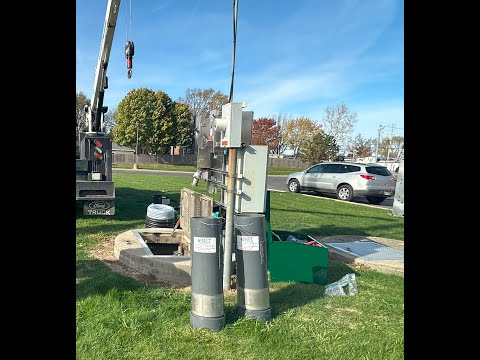
Before installing the IMET system at PS 50, the pump station wet well produced H2S, a gas known for its distinctive rotten egg smell. Installing two large IMET Modules into the wet well converted the pump station into a nearly 100% aerobic system, enabling aerobic microorganisms to thrive and causing anaerobic microorganisms to go dormant.
“We converted the PS 50 pump station into an aerobic system,” said Gencer. “We now have enough sustained dissolved oxygen in the water to maintain a high population of diverse aerobic microorganisms at all times.”
Each 14- by 40-inch IMET Module circulates wastewater through its high surface media (an area about half the size of a football field) via an air diffuser at the bottom. The diverse populations of aerobic microorganisms growing within the multi-media are constantly in contact with the dissolved nutrients in the pump station
One year after installing the IMET system, the results have been described as “a game-changer”. Installation of the IMET system resulted in the elimination of the organic mat including considerable amounts of Fats, Oils and Grease (FOG) within the pump station. In this specific application, another noteworthy result has been 80 to 95% reduction of CBOD5 in the wet well depending on the fluctuating residence time due to Catawba’s seasonal population changes.
There are no H2S odor complaints from the local residents and the organic mat has disappeared from the wet well without requiring pump outs.
The significant chemical savings realized together with other benefits of the IMET system, Ottawa County is setting its sights even higher.
“We feel the installation of the IMET system has been a positive outcome for us” said Christopher Goetz, Water Reclamation Superintendent for Ottawa County Sanitary Engineering Department. “We are hoping that we can reduce even more or eliminate the need for calcium nitrate altogether.”
Looking ahead, Ottawa County plans to implement more IMET systems in other pump stations across the county.
-
The IMET system reduces H2S production to near elimination by sustaining an aerobic environment and significantly enhancing the oxidation of dissolved sulfurous compounds in the wet well as it maintains dissolved oxygen levels greater than or equal to 3 parts per million (ppm). In some challenging cases the periodic inoculation of sulfur oxidizing bacteria within the IMET module(s) is added as part of the IMET system.
IMET’s technology pre-treats wastewater by creating a significantly efficient aerobic environment with extremely high population of diverse microorganisms within the wet well. In doing so, the IMET system also continually seeds the wet well and downstream lines delivering further BOD reduction before the treatment plant.
The IMET System significantly reduces FOG buildup within the wet well and in the downstream lines through efficient bio degradation of FOG. The result is a reduction in the need for pumping the wet well and jetting downstream lines.
The IMET system requires minimal power to operate i.e. each module uses between 200 to 450 watts. A typical pump station requires 1 to 4 IMET modules depending on the size of the wet well.
“Since the installation of the IMET system... the organic mat no longer exists. We have not had to clean out the station once since the install.”