

IVM - Vault Toilets
IMET® Vault Module
Eliminates H2S Odor to Negligible Levels
Minimizes Biosolids Pumping
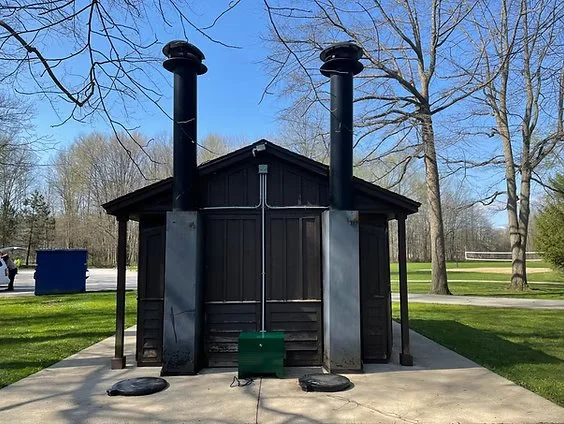
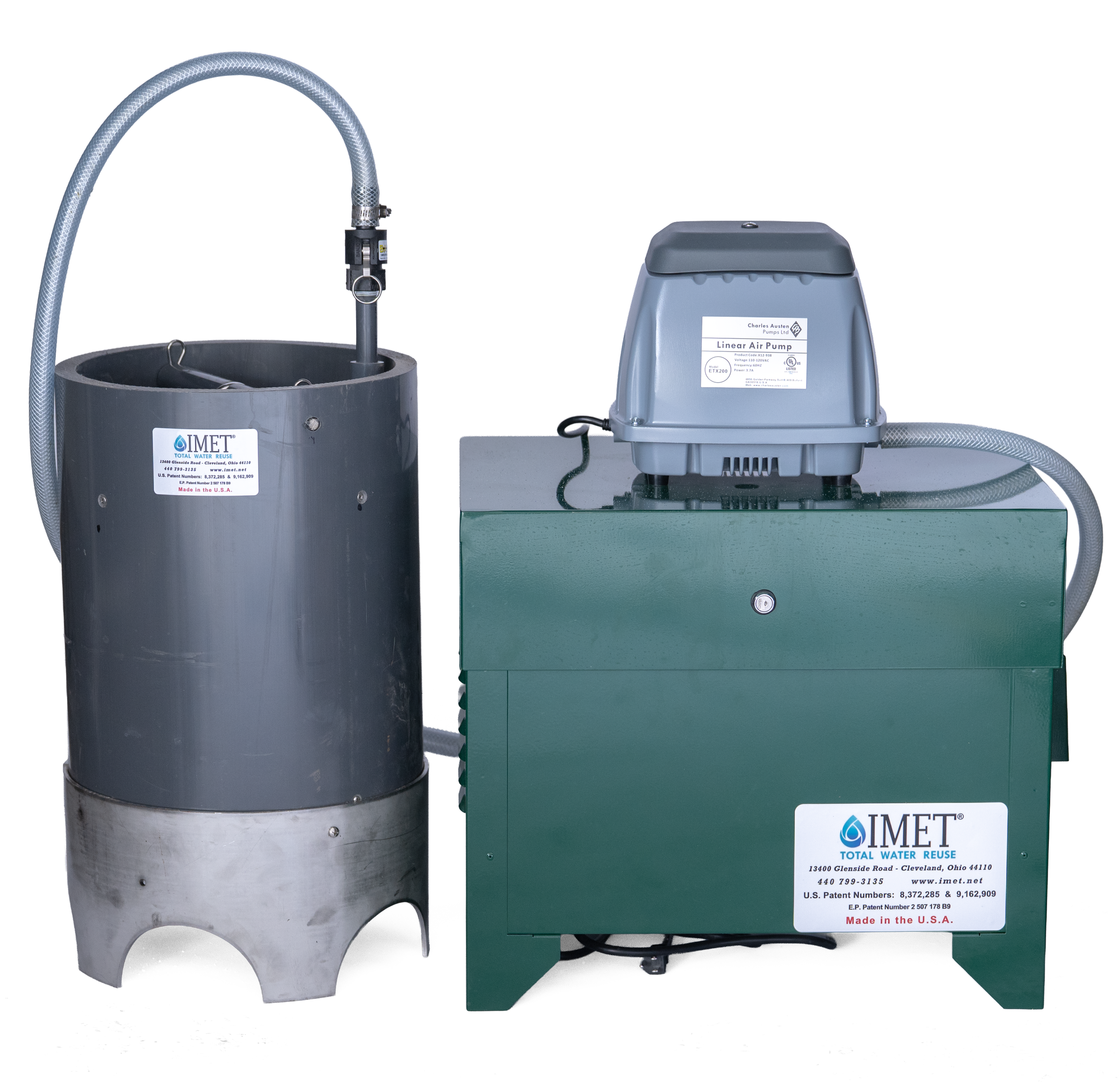

The aerated biological IMET® Vault Module (IVM) creates a near 100% aerobic environment in the vault toilet. IVM systems eliminate odors to negligible levels and continually consume dissolved bio-solids in the tank, significantly reducing the pumping requirement of bio-solids from vault toilet.
IVM systems use minimal energy and can be directly connected to an on-site electrical source or can be connected to solar power for applications that are off grid. IMET® IVM systems do not use any chemicals.
Key Benefits:
Reduction of H2S odors to negligible levels
Sustained biological treatment of bio-solids
Minimize pump truck pumping of bio-solids
Deployable both on and off grid
Easy to install
Minimal maintenance
Adaptable to any size tank
Retrofit to existing system
Green Infrastructure
The IMET® technology is a modular design that is able to fit any new or existing system. IMET Corporation offers customers a solution to meet individual client requirements. The IMET® “drop in” technology is designed to create a nearly 100% aerobic environment in a vault toilet that allows for fast, lasting results.
IMET’s patented modular technology utilizes Engineered Bioactive Porous Media™ to cultivate and protect an extremely large population of diverse aerobic bacteria and maintain dissolved oxygen levels ≥ 3ppm.
Coupled with a unique energy-efficient aeration design, the IMET® technology requires less air to achieve maximum results.
IVM System:
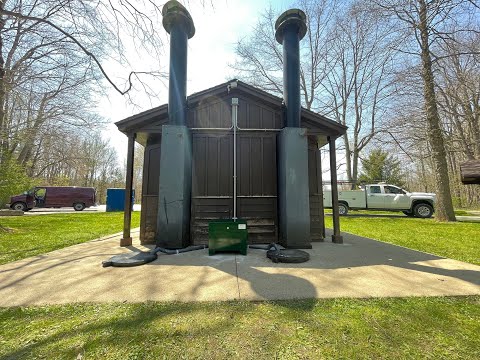
IVM standard size, with custom sizing available
200-250 watt air pump
Stainless steel housing (if necessary)
Solar options available
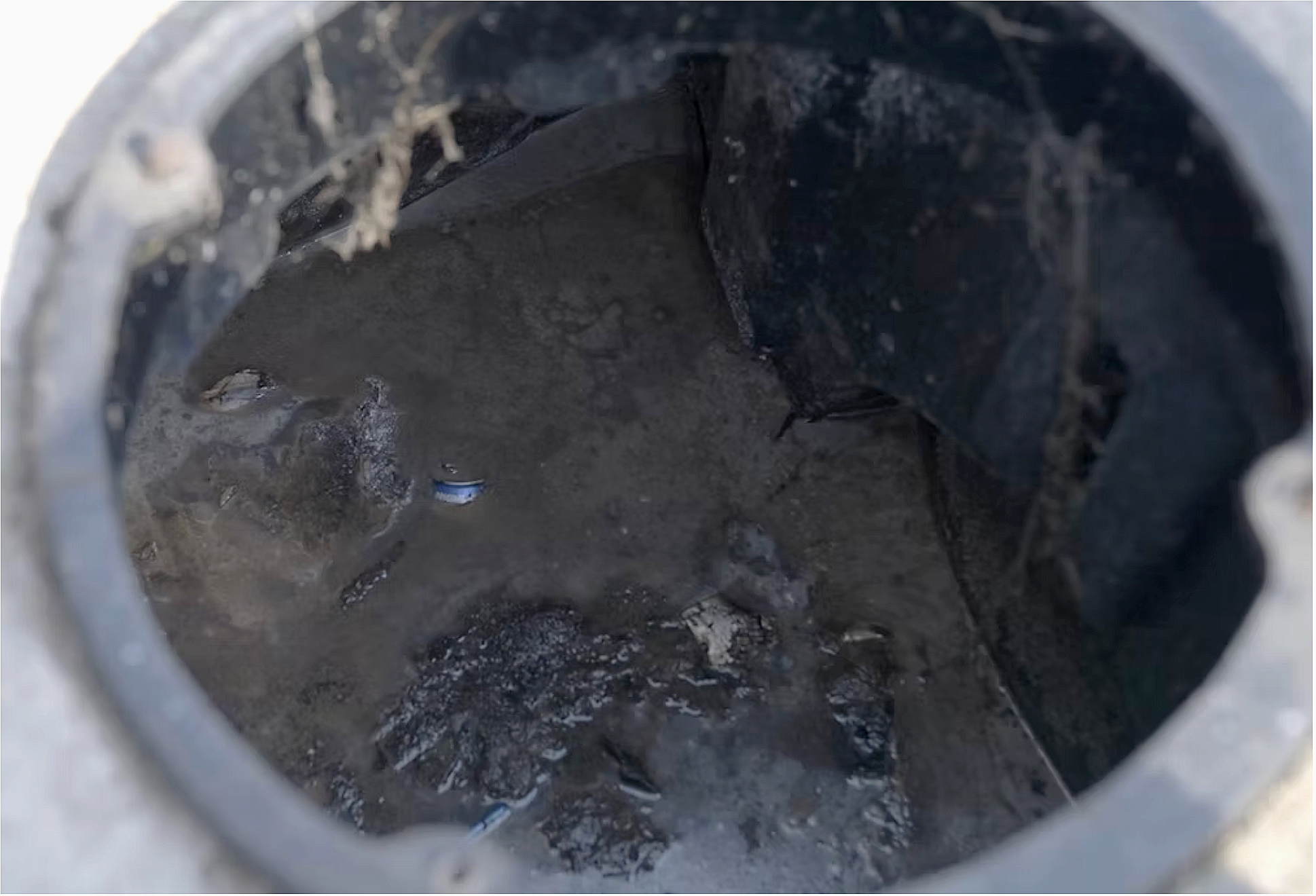
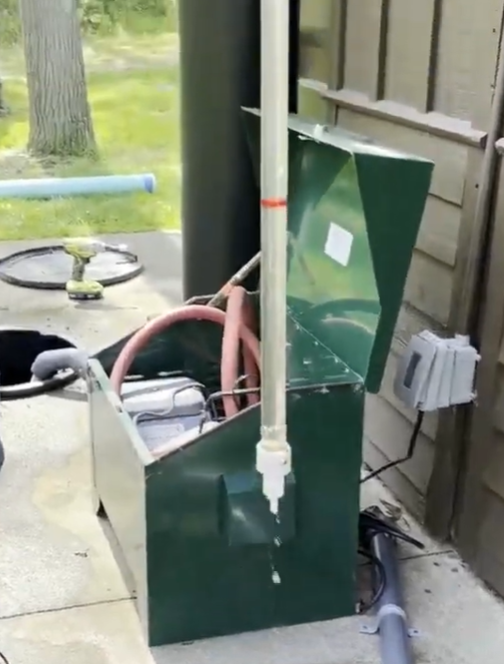
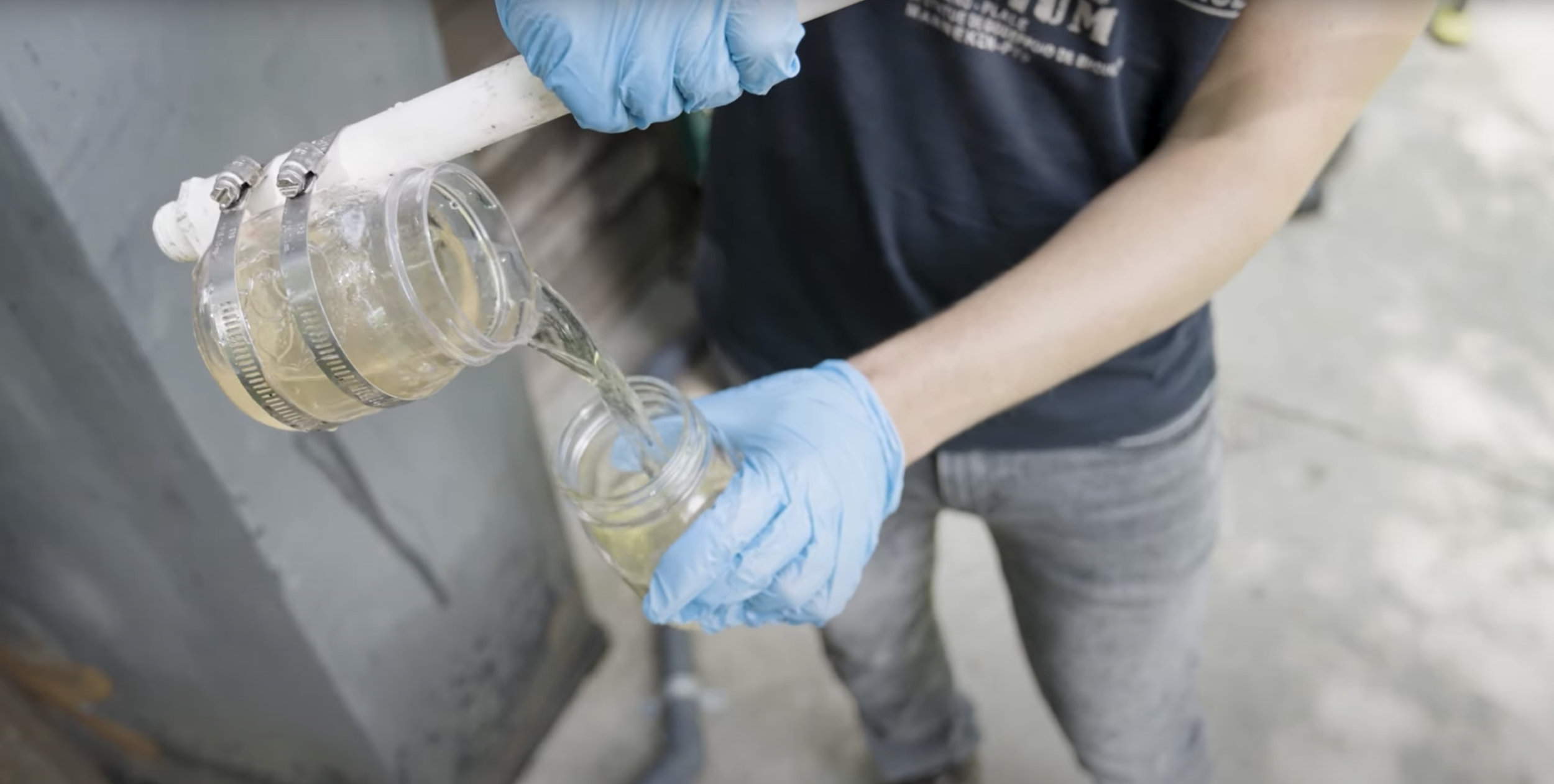
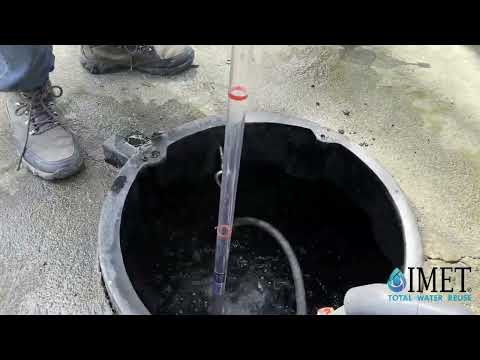
Pictured here: Sludge judge test of vault toilet that had not been pumped for 2 years.
The continued success of the IVM is further proof that Nature’s Way Works.
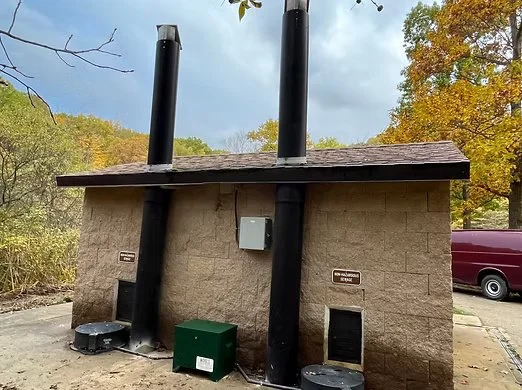
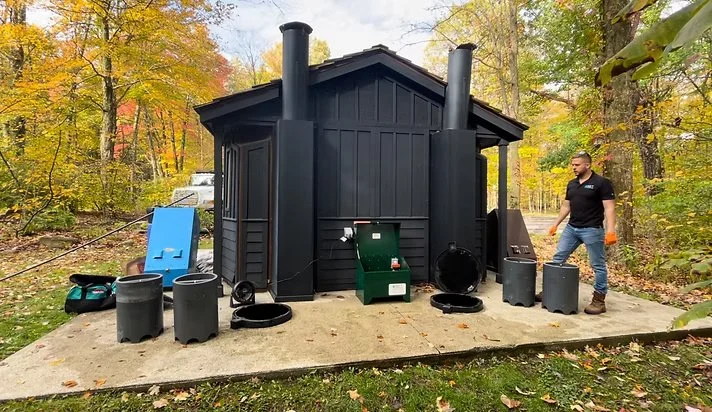
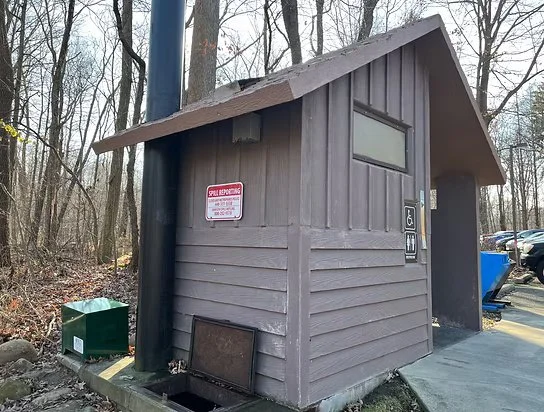
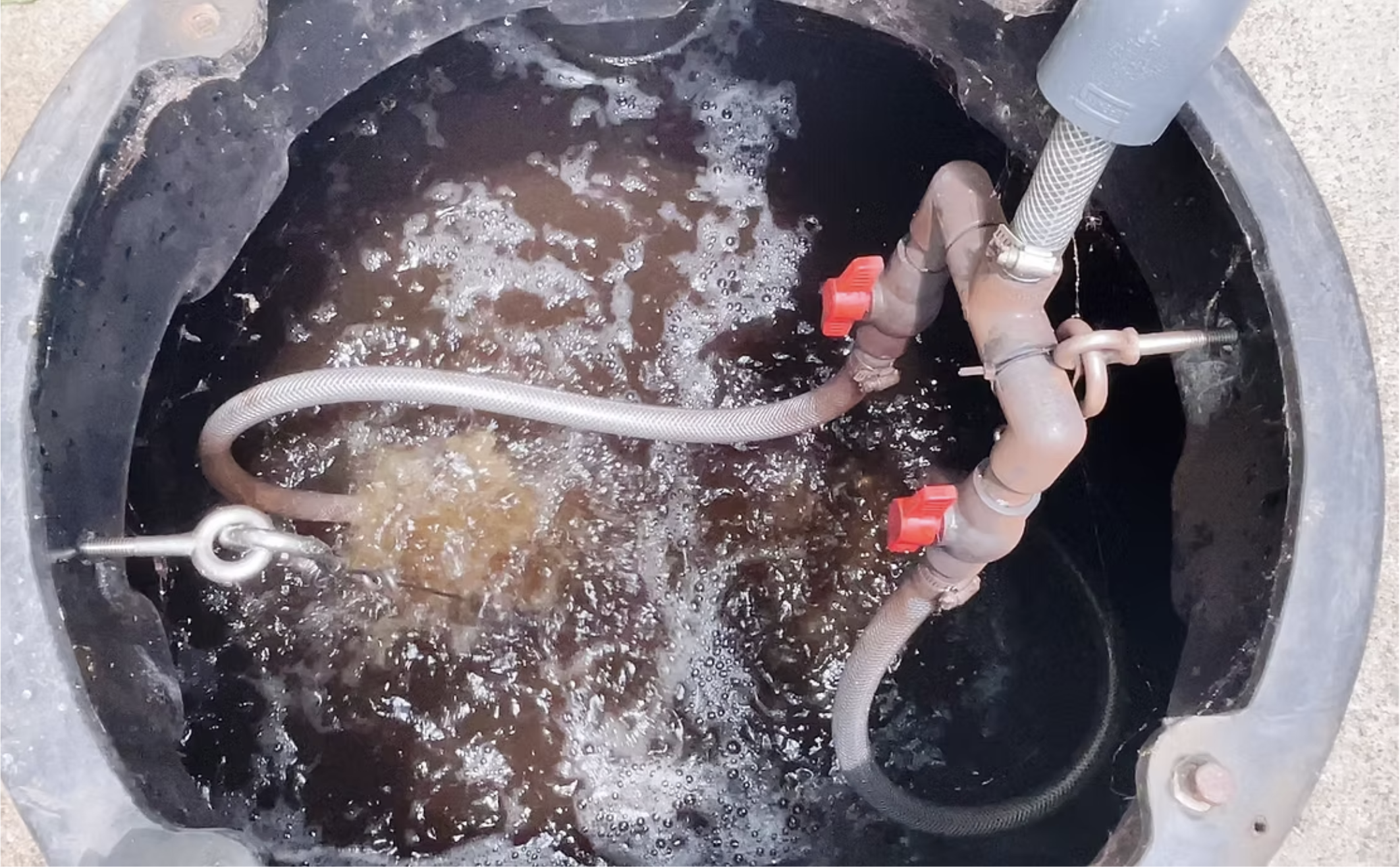
Proof in Action: “Magic Bubbler”
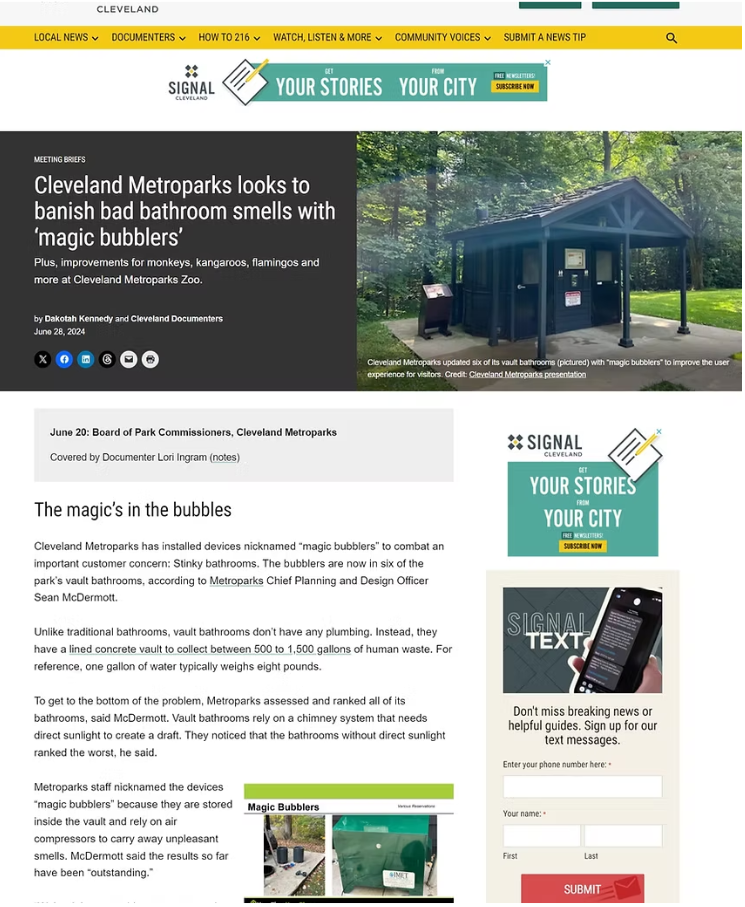
In a typical vault toilet, waste breaks down in an anaerobic state. This oxygen-deprived process of slow decomposition generates methane, hydrogen sulfide, and ammonia, producing strong odors.
The IMET® Vault Module (IVM) changes that dynamic by creating a nearly 100% aerobic environment. Continuous aeration and extremely high-surface-area media sustain dense, diverse colonies of aerobic microorganisms, which rapidly consume bio-mass and primarily metabolize waste into carbon dioxide and water.
With less sludge accumulation and fewer odor-causing gases, maintenance is reduced and vault toilets stay cleaner for longer.
Magic bubbles? Not exactly. Aeration alone does not achieve IMET’s impressive results.
In nature, nature’s “clean up crews” rely on varied surfaces such as sands, stones, and soils to establish vast, stable populations. IMET’s Engineered Bioactive Porous Media™ creates a protected habitat that cultivates and sustains dynamic, biodiverse bacterial colonies. Within the three-dimensional pore structure of these habitats, bacterial colonies continually adapt to their changing environment through natural selection while maturing, reproducing, and completing their biological life cycles.
As bacterial cells age and decompose, their organic constituents are continuously assimilated by growing and reproducing bacterial colonies within the habitat, creating a self-sustaining biological ecosystem with minimal net biosludge production. Because the bacteria are protected within the pore structure of the media, established bacterial colonies remain within the biological habitat during significant chemical and physical environmental changes, including rapid temperature fluctuations, allowing the ecosystem to adapt rather than being washed out or displaced. As in nature, many bacteria enter dormant states during adverse conditions and become biologically active again when favorable conditions return.