

Case Studies
Using IMET® Technology to Minimize Odor and Bio-Solids Buildup at an Ottawa County Pump Station
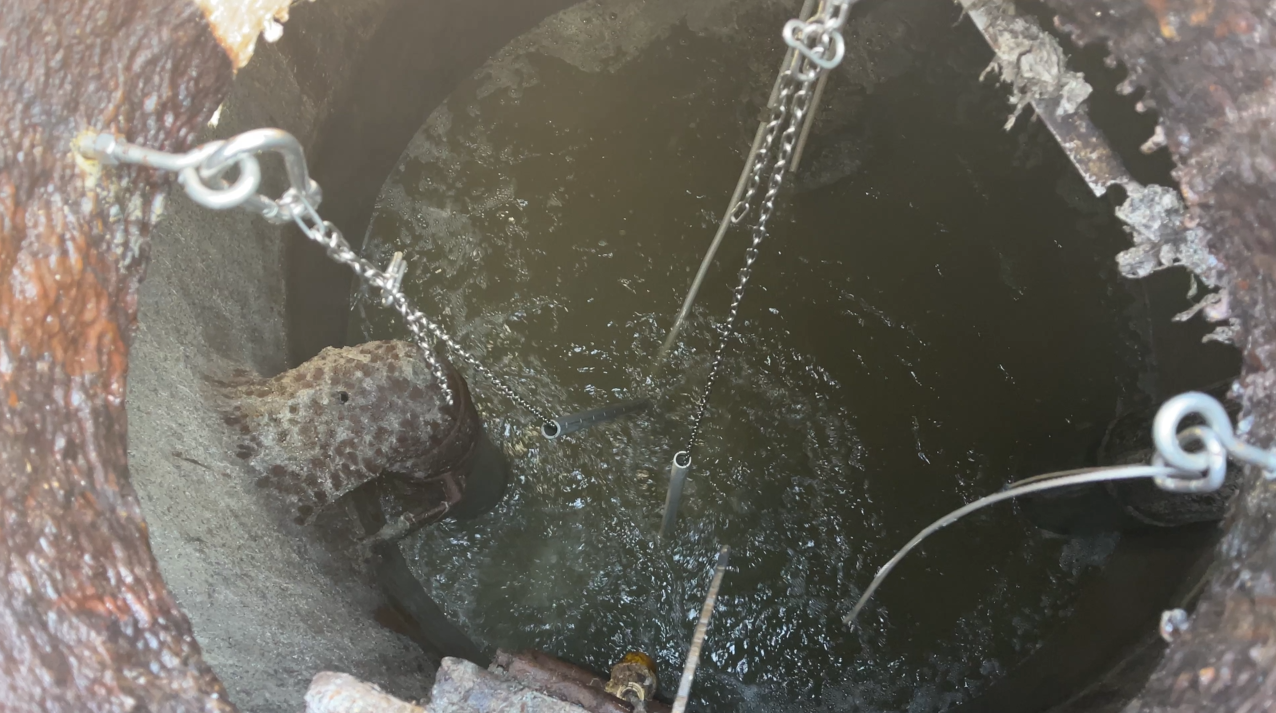
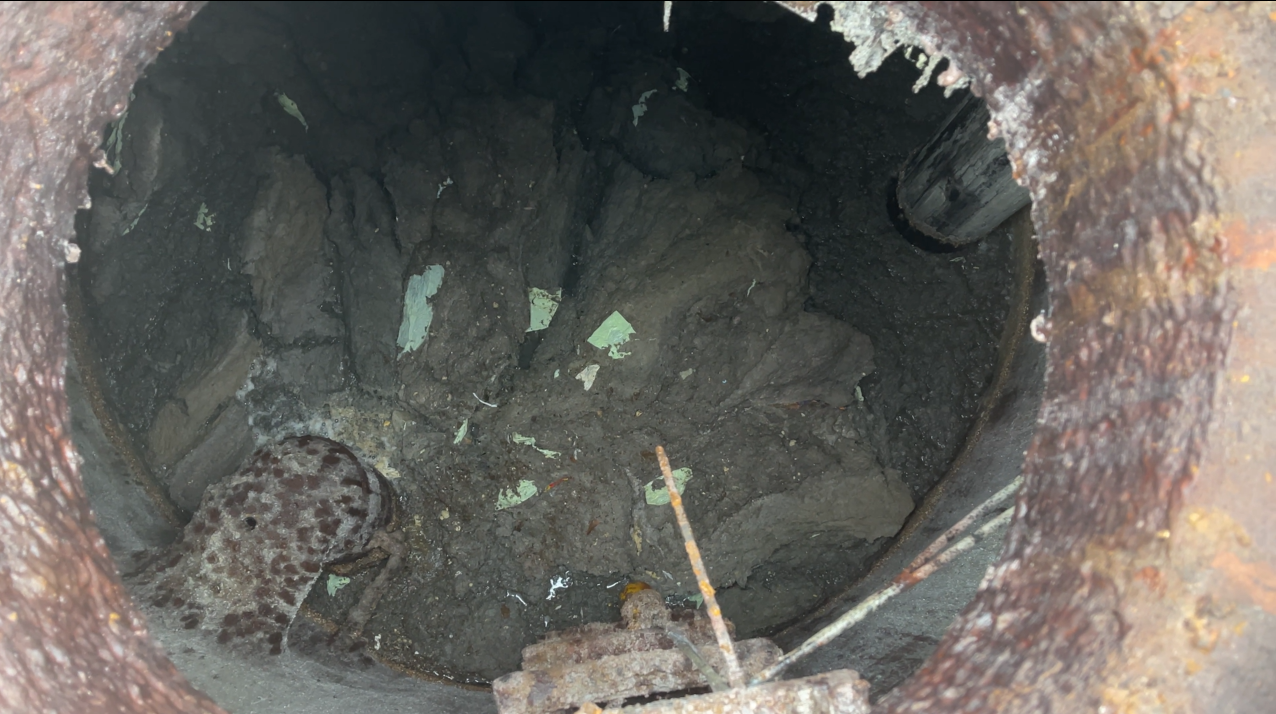
After installing an IMET system at Pump Station 50 (PS 50) in a prominent neighborhood in Ottawa County, Ohio, hydrogen sulfide (H2S) odor was significantly reduced to negligible levels. This is a major win considering the proximity of the pump station to residential homes and Catawba Island’s high tourist population in the summer. The organic mat that formed on top of the wet well disappeared, helping regulate the water levels and reducing how often it needed to be pumped.
The system delivered 80-95% reduction of CBOD5 in the wet well depending on the fluctuating residence time due to Catawba’s seasonal population changes.
Ottawa County reduced the amount of calcium nitrate sent upstream by 2,470 gallons, resulting in $6,700 in chemical savings from February to September of 2025.
-
Located in a residential neighborhood in Catawba Island, Ottawa County received complaints about foul odors coming from PS 50. Residents wanted the county to provide a sustainable solution that would get rid of the smell for good.
-
Waterways like riverbeds are naturally cleaned by microorganisms that are attached to rocks and sands primarily within their pore structures underwater. These microorganisms consume dissolved biowaste (BOD) in the waterbody to clean the water.
IMET technology mimics nature’s way of treating wastewater through its patented aerobic packed bed treatment module design. “We essentially took the riverbed and brought it to the pump station,” said Kaan Gencer, chief operating officer (COO) for IMET.
Before installing the IMET system at PS 50, the pump station wet well produced H2S, a gas known for its distinctive rotten egg smell. Installing two large IMET Modules into the wet well converted the pump station into a nearly 100% aerobic system, enabling aerobic microorganisms to thrive and causing anaerobic microorganisms to go dormant.
“We converted the PS 50 pump station into an aerobic system,” said Gencer. “We now have enough sustained dissolved oxygen in the water to maintain a high population of diverse aerobic microorganisms at all times.”
Each 14- by 40-inch IMET Module circulates wastewater through its high surface media (an area about half the size of a football field) via an air diffuser at the bottom. The diverse populations of aerobic microorganisms growing within the multi-media are constantly in contact with the dissolved nutrients in the pump station
One year after installing the IMET system, the results have been described as “a game-changer”. Installation of the IMET system resulted in the elimination of the organic mat including considerable amounts of Fats, Oils and Grease (FOG) within the pump station. In this specific application, another noteworthy result has been 80 to 95% reduction of CBOD5 in the wet well depending on the fluctuating residence time due to Catawba’s seasonal population changes.
There are no H2S odor complaints from the local residents and the organic mat has disappeared from the wet well without requiring pump outs.
The significant chemical savings realized together with other benefits of the IMET system, Ottawa County is setting its sights even higher.
“We feel the installation of the IMET system has been a positive outcome for us” said Christopher Goetz, Water Reclamation Superintendent for Ottawa County Sanitary Engineering Department. “We are hoping that we can reduce even more or eliminate the need for calcium nitrate altogether.”
Looking ahead, Ottawa County plans to implement more IMET systems in other pump stations across the county.
-
The IMET system reduces H2S production to near elimination by sustaining an aerobic environment and significantly enhancing the oxidation of dissolved sulfurous compounds in the wet well as it maintains dissolved oxygen levels greater than or equal to 3 parts per million (ppm). In some challenging cases the periodic inoculation of sulfur oxidizing bacteria within the IMET module(s) is added as part of the IMET system.
IMET’s technology pre-treats wastewater by creating a significantly efficient aerobic environment with extremely high population of diverse microorganisms within the wet well. In doing so, the IMET system also continually seeds the wet well and downstream lines delivering further BOD reduction before the treatment plant.
The IMET System significantly reduces FOG buildup within the wet well and in the downstream lines through efficient bio degradation of FOG. The result is a reduction in the need for pumping the wet well and jetting downstream lines.
The IMET system requires minimal power to operate i.e. each module uses between 200 to 450 watts. A typical pump station requires 1 to 4 IMET modules depending on the size of the wet well.
IMET® Aerobic Biological Technology Increases Capacity in a Coastal City Wastewater Treatment Plant on Aegean Sea - View Onsite Installer Article
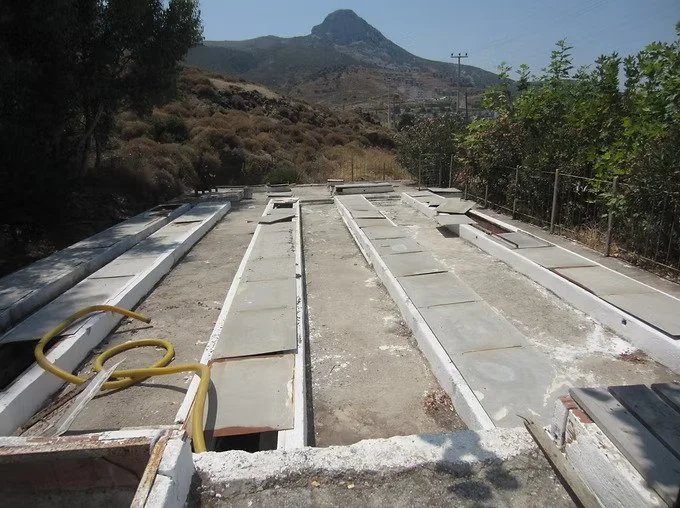
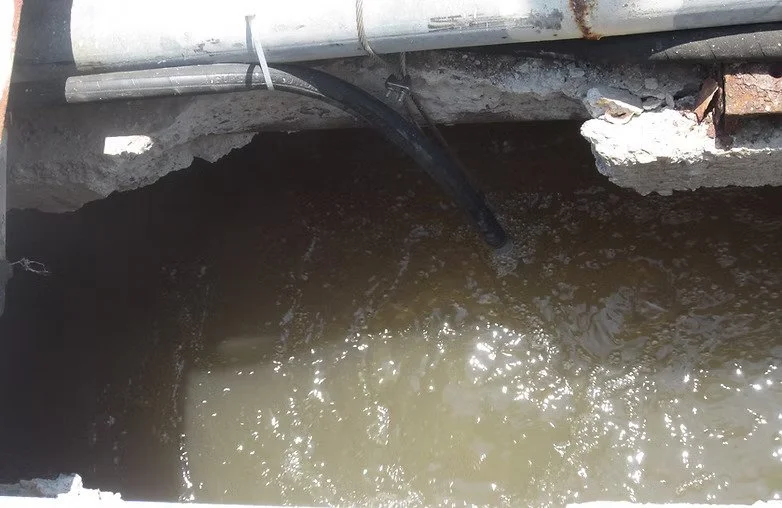
Coastal town Karaburun, Turkey was struggling to keep up with seasonal tourism surges that overwhelmed its wastewater treatment plant.
IMET Treatment Modules drastically increased the WWTP’s treatment capacity without expanding its footprint, restoring the town’s Blue Flag beach status while producing clean effluent used to irrigate nearby olive groves. Over a 5 year period of operation using the IMET technology, no bio-sludge was disposed from the WWTP.
-
A coastal city on the Aegean Sea has a renowned tourist area with pristine beaches for domestic and global tourism, with a population of 3,500 during the winter months. During the peak season (April through October) the population reaches 15,000. The city’s 300,000 gpd wastewater treatment plant (WWTP) was failing due to this population increase. To meet the treatment requirements, a sizeable WWTP expansion was needed. This solution, however, was geographically and economically unfeasible. The effluent wastewater was reused for the required irrigation of the olive groves on the hillside. This practice, however, caused an unfortunate increase in e-coli and intestinal enterococci population in the sea at nearby beaches resulting in the loss of beaches’ Blue Flag status.
-
Thirty two (32) IMET Treatment Modules (ITM) were installed into the aeration basin of the existing WTTP infrastructure without any additional construction or expansion.
-
The city achieved meeting the effluent requirements at all times by sustainable reduction of COD, BOD and TSS. Treated wastewater continued to be reused for the needed irrigation. The city reported that the implementation of IMET technology achieved significant reduction of e-coli and intestinal enterococci population in the sea, thereby allowing its beaches’ to regain the coveted Blue Flag status. This was a major positive economic impact for the region. While the required effluent quality was maintained, bio-sludge production was also at an extreme minimum. Therefore, with installing ITM Technology, the city also realized major savings from significant reduction of bio-sludge disposal.
Failing Septic Tank Remediation and Residential Septic Leach Field Rejuvenation
- Published in Onsite Installer
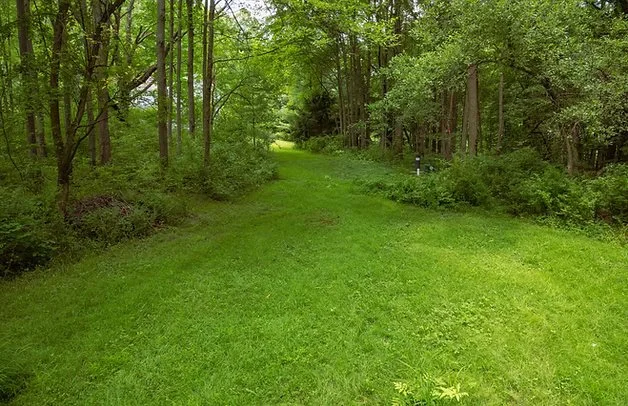
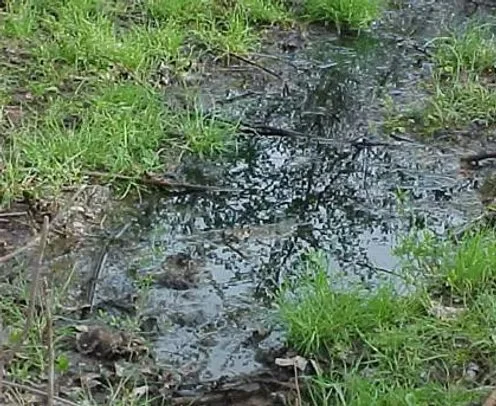
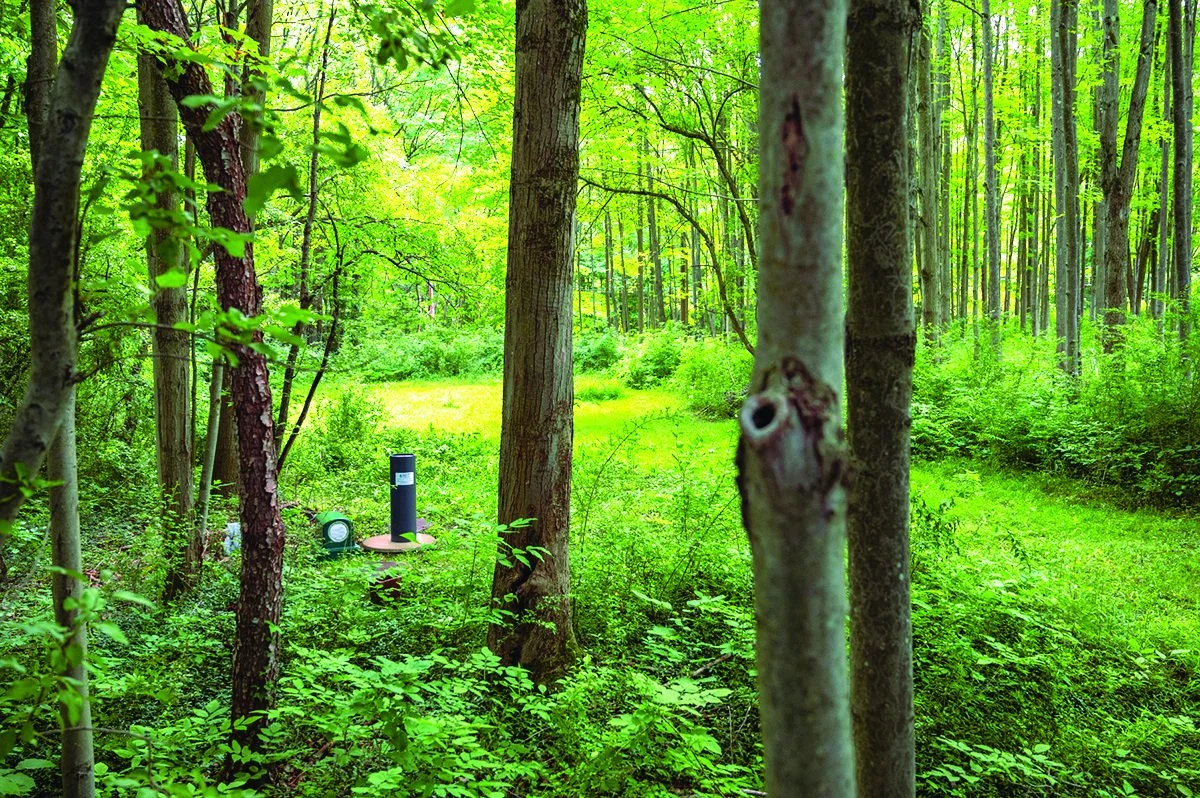
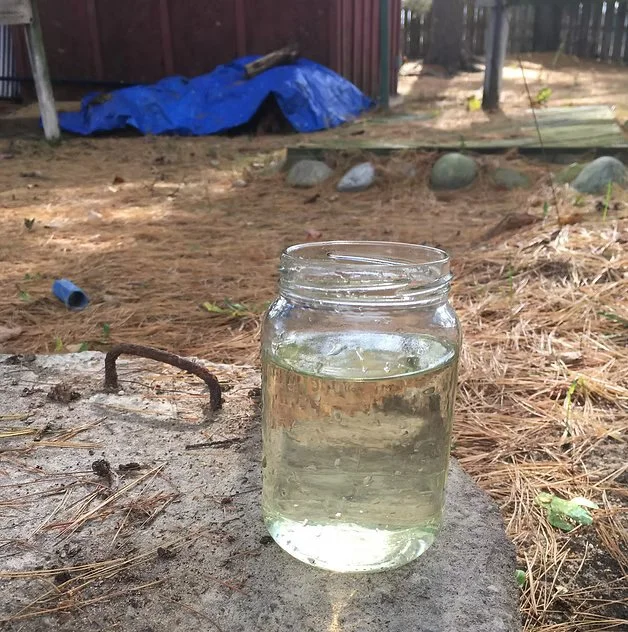
A century-old home in Northeast Ohio faced a failing three-tank septic system and clogged leach field, with standing wastewater and strong odors. The county’s recommended fixes (a large sand mound or clearing a mature tree lot for a new leach field), would have dramatically altered the property.
Instead, IMET installed a single drop-in aerobic module in the second septic tank in under three hours. Within six months the septic system and leach field were fully restored, eliminating odors and pumping needs while achieving effluent quality below 10 mg/L BOD and 5 mg/L TSS.
-
The homeowner had a failing septic tank and leach field in the winter at their historical century home in Northeast Ohio. The failing 3 tank septic system and the failing leach field were found with standing septage water and noxious septic odors due to plugged soil. The county suggested a sand mound or new leach field. These two options would either put a very large sand mound in front of the century home or force the homeowner to cut down a mature tree lot on the property. The homeowner did not want any of the proposed options.
-
The County Health Department invited IMET® to install its aerobic biological IMET® module which did not have state approval at the time, to demonstrate complete remediation of the existing failing septic system and leach field. The “drop in” IMET® module was installed directly into the second tank of the septic system in just under 3 hours. The IMET® system only requires immersing a module in the septic wastewater and connecting its diffuser to a small, quiet, energy efficient air pump.
-
Within 6 months after IMET® installation, the existing septic system was converted into a well-functioning septic system and reclaimed the leach field back to a highly functional state. In summary, the homeowner has since never needed to pump the septic tank and has never experienced any odor while having a lush green, dry lawn to enjoy. Grab samples from the distribution box showed BOD less than 10 mg/L and TSS less than 5 mg/L.
Aerobic Module Rejuvenates Filter Bed and Eliminates Hydrogen Sulfide Odors
- Published by Pumper
-
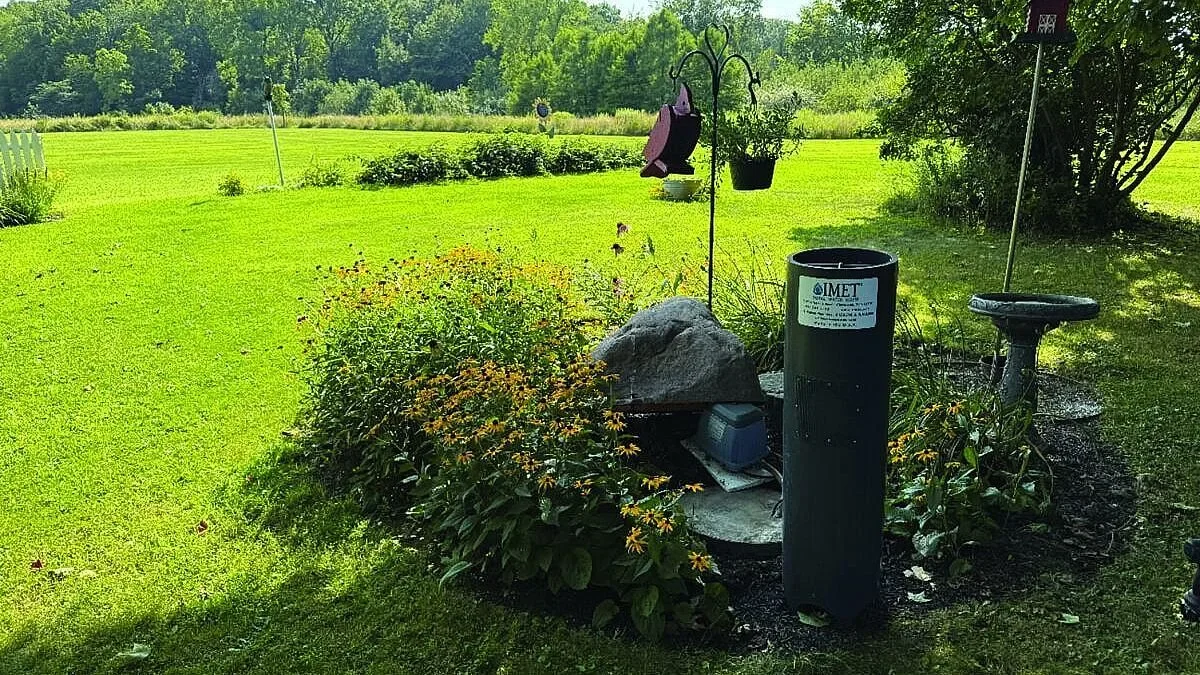
Midwest homeowners of 35 years had a septic system with ongoing odor and performance issues. The system discharged into a filter bed and then into an 80-foot swale, where foul hydrogen sulfide odors were noticeable, sometimes even by neighbors. Black, slimy biomat frequently discharged from the filter bed, and plugging in the filter bed led to ponding in the yard. These issues made mowing difficult and left portions of the yard inaccessible at times.
-
IMET installed its aerobic biological module directly into the homeowner’s single-tank septic system in less than two hours. Installation of the IMET Residential Septic Module involved placing the module in the septic wastewater and connecting its diffuser to a small, quiet, energy-efficient air pump.
-
Within two days of the installation, odor issues the homeowners had experienced for 35 years were gone. Within a few months, the filter bed was rejuvenated and any ponding eliminated. In the nine years since installation, these positive results have remained consistent; the homeowners have not had to pump the septic system, the once odorous swale no longer stinks and the black, slimy biomat layer is no longer present. Instead, clean water now exits into the swale.

IMET® Technology Restores a Failing Residential Leachfield Without Replacement
A Maine homeowner restored a failing, ponded leach field without excavation or replacement by installing an IMET® Remediation Module. The system improved wastewater quality and rehabilitated the existing drainfield for less than half the estimated cost of conventional replacement alternatives.
-
A homeowner in Maine was experiencing a failing leach field due to soil plugging that had reduced the soil’s ability to accept wastewater. As a result, wastewater surfaced across the drainfield, creating ponding that prevented use and maintenance of the property, including routine lawn mowing.
The homeowner was presented with two conventional repair options:
Excavate and replace the existing leach field.
Construct a new leach field with an associated pump station.
Both alternatives were estimated to cost approximately $20,000.
Seeking a more economical and less disruptive approach, the homeowner explored a technology capable of rehabilitating the existing leach field rather than replacing it.
-
Dunbar & Brawn Construction installed the IMET® Aerobic Biological Remediation System to rehabilitate the onsite wastewater treatment system.
Installation required no excavation of the drainfield. An IMET® Remediation Module (IRM) was installed directly into the septic tank and connected to an energy efficient, quiet air compressor. The IMET® system transformed the septic tank into a highly aerobic biological treatment process, substantially improving wastewater quality before it entered the leach field.
The highly treated aerobic effluent also seeds the drainfield with aerobic microorganisms, helping maintain the soil’s ability to accept treated wastewater while supporting the long-term health of the leach field.
-
Following installation and operation of the IMET® system, the leach field resumed accepting treated wastewater, eliminating the surface ponding. For less than half the estimated cost of conventional replacement alternatives, the homeowner restored the performance of the onsite wastewater treatment system without replacing the drainfield.
Eliminating Odor Complaints, Minimizing Pumping, Seeding Downstream Lines with Aerobic Microorganisms - Published by Pumper
-
A world class resort in the Caribbean had multiple 3-chamber grease interceptors that were causing significant H2S odor issues for guests. Additionally, the grease interceptors were needing to be pumped twice a month due to significant grease buildup in all three chambers and to prevent grease from consistently exiting into the downstream lines. The resort was receiving odor complaints from guests regarding both of it grease interceptors. The resort wanted to eliminate the odor complaints and significantly reduce its pumping and maintenance requirement.
-
IMET® Grease Modules (IGMs) were installed directly into each chamber of the two 3-chamber grease interceptors at the resort. Each installation was completed in under 2 hours as each IGM System consists of a module connected to a small, quiet, energy-efficient air pump.
-
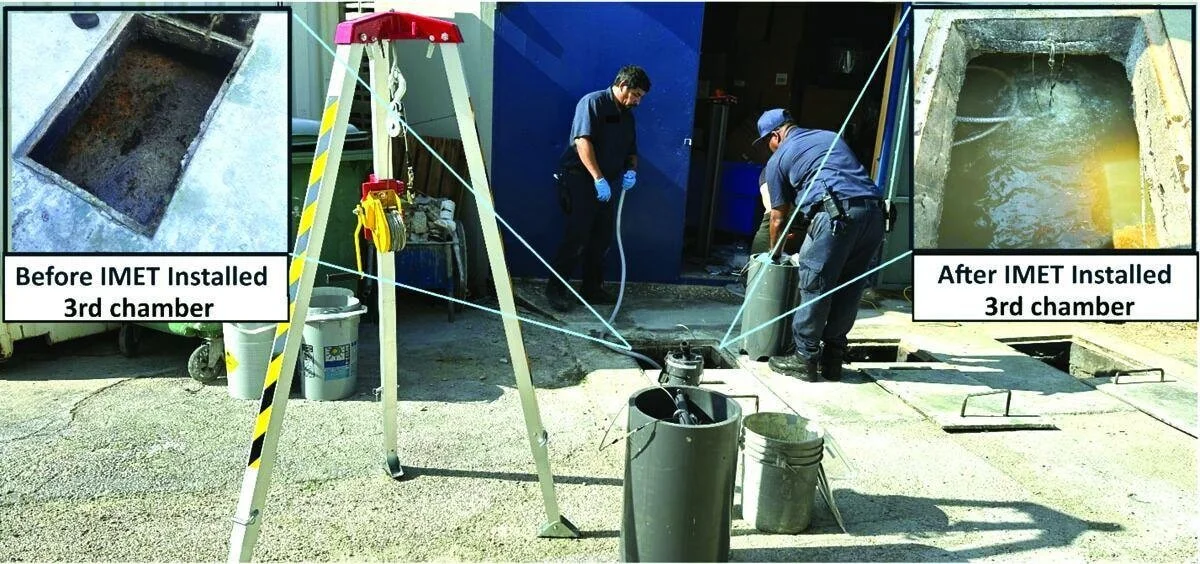
Within one day of installing the IGM, the grease cake built-up in the grease interceptors was completely gone in the 3rd chamber (final) of the grease interceptors. The first and second chambers only had a thin layer of grease floating on the surface. Since the installation, the resort is no longer receiving complaints about stinky H2S odors from guests. Pumping is virtually eliminated as pumpers periodically only skim the surface of the first and second chambers of the grease interceptors. Downstream lines are no longer receiving FOG overflowing from the grease interceptor. Instead, IGM are seeding the downstream lines with aerobic microorganisms, keeping the lines free and clear of FOG buildup.
A Caribbean resort struggled with severe odors and frequent pump-outs from its three-chamber grease interceptors.
After installing IMET Grease Modules in each chamber, odor was reduced to negligible levels and grease accumulation dropped so dramatically that pumping was reduced to occasional surface skimming.
IMET® System Provides Complete Treatment Including High-Strength Waste from RV Park - Published by Onsite Installer
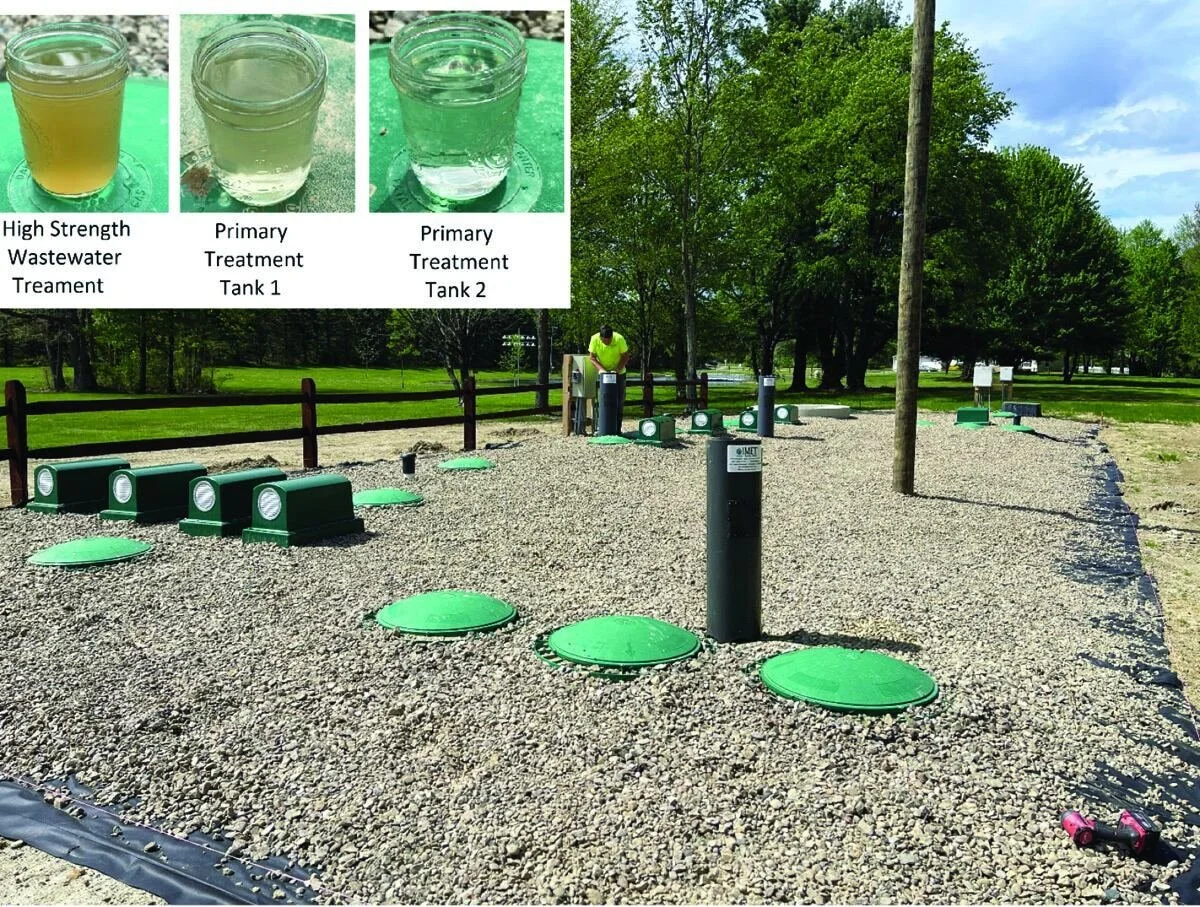
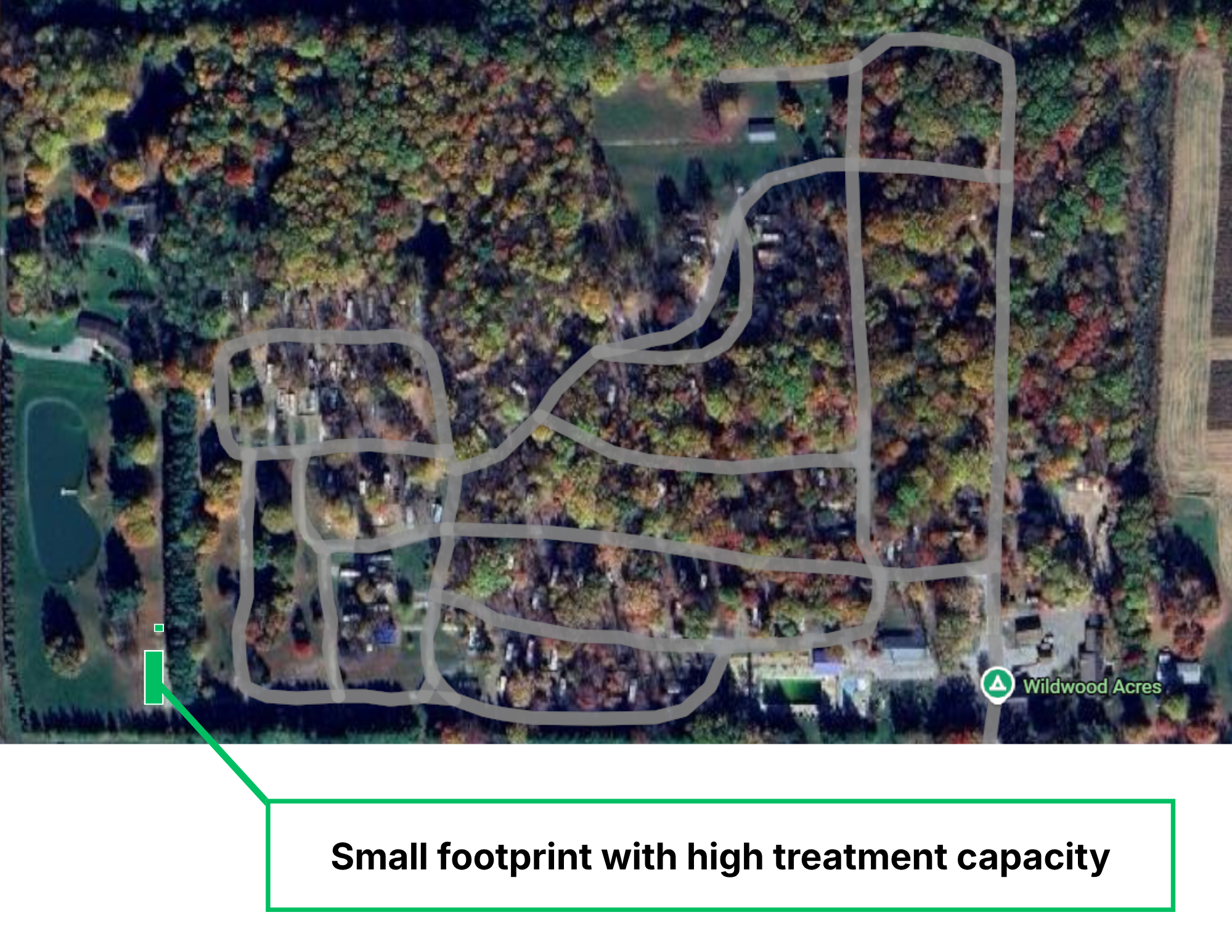
A large RV park in northeast Ohio needed to replace a failing septic system while accommodating high-strength wastewater from dump stations, seasonal campsites, and park facilities.
An EPA-permitted wastewater treatment system was installed to treat the wastewater before dispersal through a drip irrigation system. The system successfully treats both the high-strength dump station waste and the park’s other wastewater streams, producing effluent suitable for soil absorption. The permitted treatment system is now fully operational and supporting the park’s seasonal campers.
-
A new owner of an RV Park in Northeast Ohio was challenged with replacing the existing outdated, failing septic system. The RV Park with peak loading of 258 seasonal campsites, 22 transient RV sites, and 24 primitive sites. The high strength black water waste was being serviced through an onsite dump station collection system. The showers, the manager’s home and the office were all being treated through the same system. The new owner was also tasked with planning for new, centralized lavatories and showers for the RV park to be connected to the new wastewater treatment system
-
The Potter’s Company, a northeast Ohio based company, designed a wastewater treatment system employing the IMET aerobic packed bed media biological reactors for complete treatment to discharge into a drip distribution system for soil dispersal. IMET reactors are first used to treat the high strength waste from the dump stations. Treated effluent from the dump stations is then mixed with the waste from the manager’s home, office, new lavatories and showers in a flow equalization system to manage peak loading. IMET reactors are then used to complete the treatment of the wastewater to levels below 30mg/l for safe soil absorption.
-
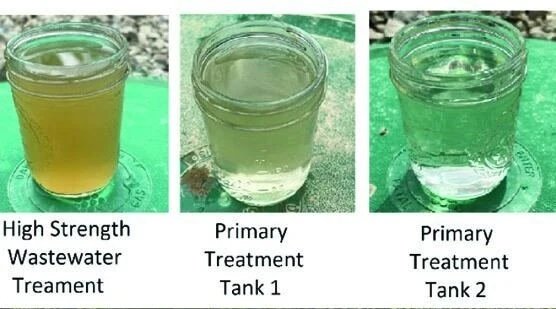
The EPA-permitted wastewater treatment system went into successful operation on February 6, 2025. The RV Park is open to seasonal campers and fully operational. On a recent visit to the site, dip samples were taken through the treatment train. See images in the photo to the right.
IMET Pre-Treats Camp Grease Interceptor and Seeds Downstream Septic System with Aerobic Microorganisms - Published by Pumper
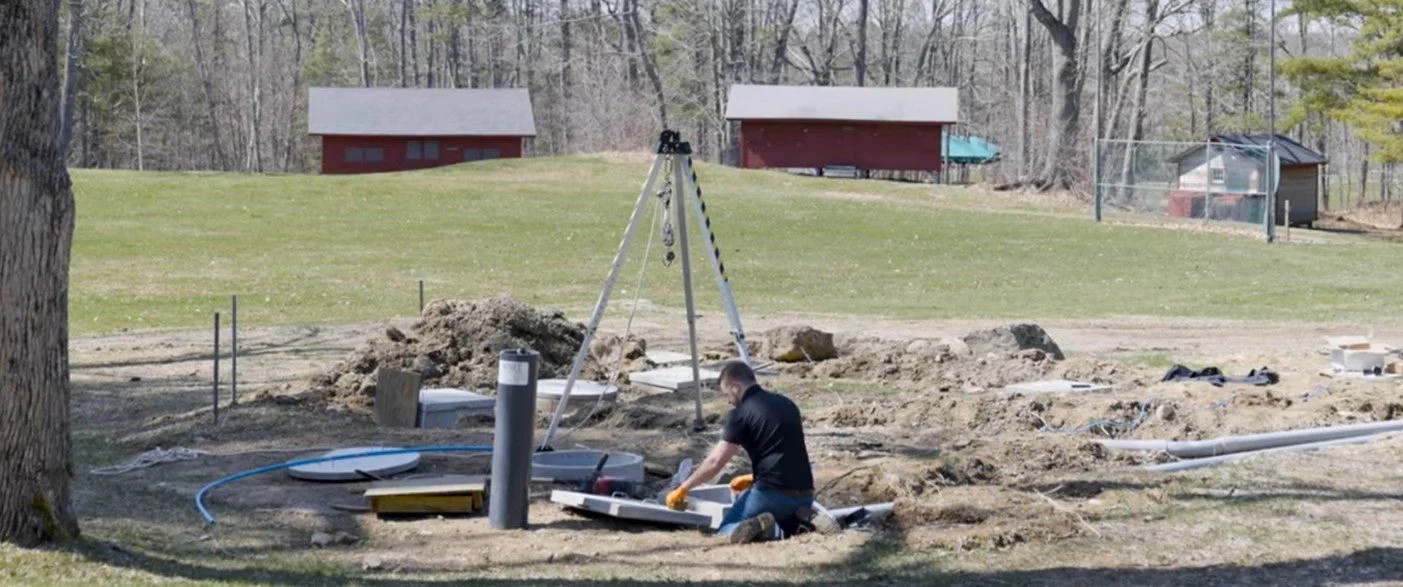

At Chewonki (an internationally recognized environmental education nonprofit in Wiscasset, Maine), heavy grease loading from kitchen operations was overwhelming the site’s grease interceptor and septic system, creating thick bio-solids buildup and frequent pumping needs.
IMET installed two aerobic biological modules directly in the grease interceptor, rapidly breaking down fats, oils, and grease while seeding the downstream septic system with beneficial aerobic microbes. Within two days the heavy FOG layer disappeared, and since installation in 2021 the interceptor has sustained no FOG build up and required no pumping, while septic tank pumping frequency has been reduced by 50%.
-
Chewonki, an Internationally recognized environmental education non-profit focused on nature-based education and stewardship in Wiscasset, Maine wanted to reduce or eliminate pumping frequency of its grease interceptor and the downstream septic system while also lessening loading to its leach fields. The grease interceptor was sending significant Fats, Oils and Grease (FOG) to the septic system creating a very thick and hard build-up of bio-solids when mixed with the black and grey water, resulting in a thick bio-solids mat that was hard to pump out.
-
IMET® installed 2 aerobic biological modules directly into the grease interceptor to pre-treat the grease interceptor waterbody before discharging to the three-tank septic system. The IMET modules installed also began to seed the downstream septic system with aerobic microorganisms.
-
Within two days of installation, the thick FOG layer in the grease interceptor was gone, with only translucent milky water remaining. Since IMET installation in 2021, the grease interceptor has sustained no FOG build up and has not required any pumping. The downstream septic tank, seeded by the IMET system has had its pumping requirement reduced by 50%. The camp is very happy with the results and is planning to install 6 IMET modules in the three tank septic system to provide complete treatment before effluent water is discharged to the leach field.
Case Study: IMET Grease Modules at Ciragan Palace Kempinski, Istanbul Turkey
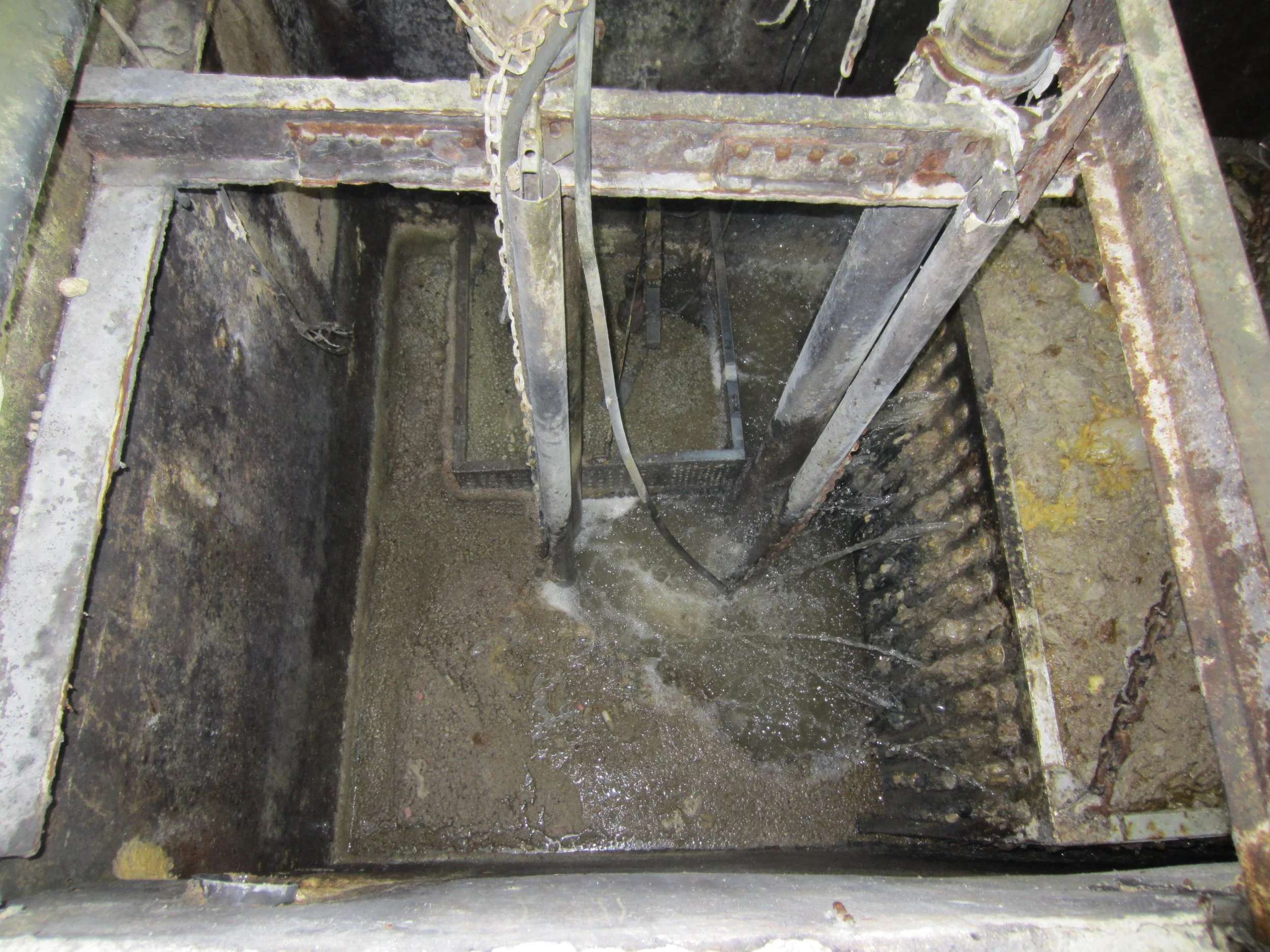
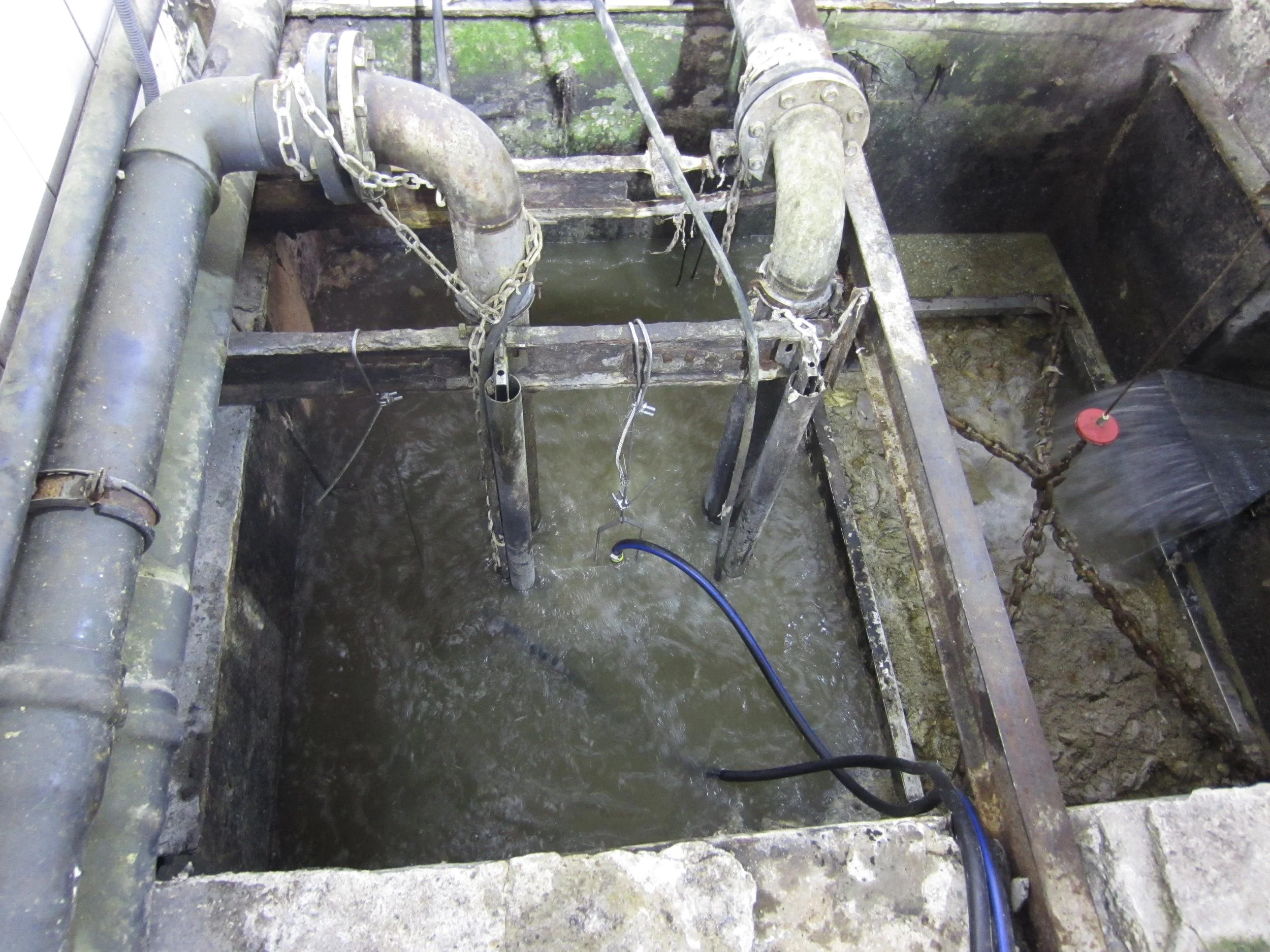
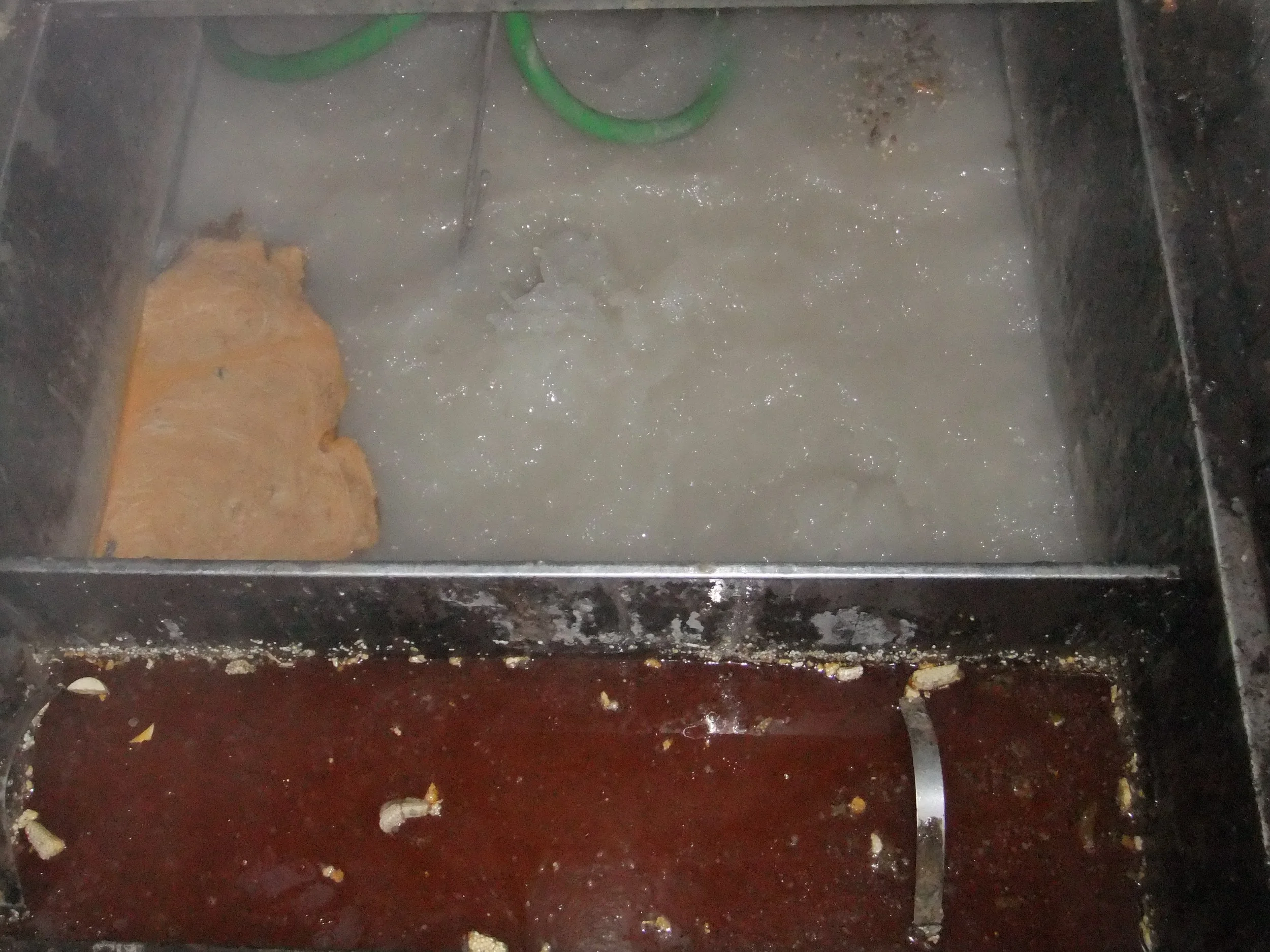
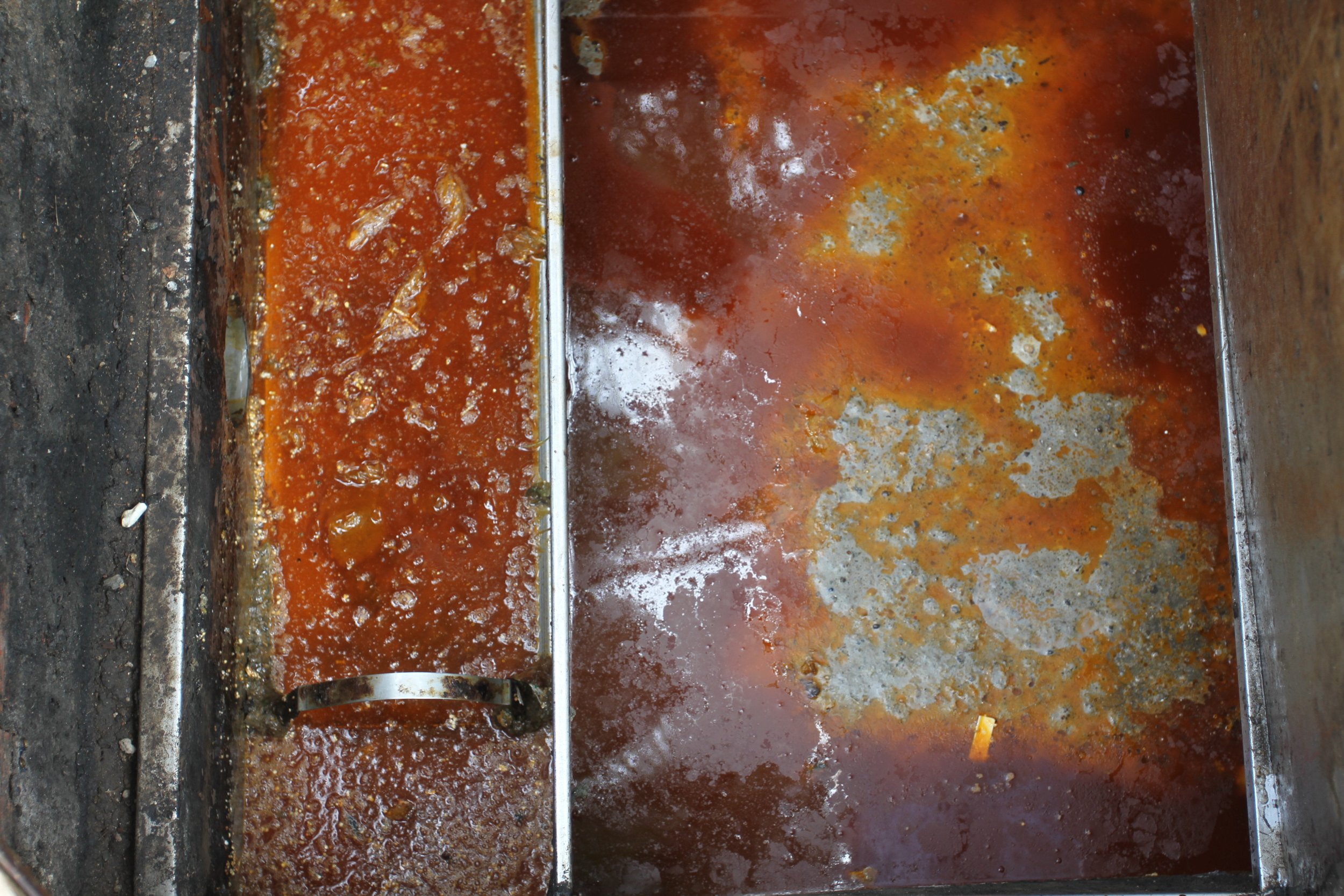
IMET Corporation installed one of the worlds first commercially successful Fats, Oils and Grease or (F.O.G.) “drop in” wastewater treatment technologies at the world famous Ciragan Palace Kempinski Luxury Hotel in Istanbul, Turkey. IMET Grease Modules (IGMs) provided a completely green solution to the significant odor issues and line plugging issues associated with onsite grease traps and lift stations at the hotel while providing the hotel with the opportunity to re-use its “grey water”.
-
Located on the Bosphorus in downtown Istanbul, Ciragan Palace Kempinski challenged IMET and its IGM technology to pre-treat its wastewater and FOG in its largest lift station.
The engineers at Kempinski were fighting a losing battle against grease, odors and build up in the pipes below the historic Palace and Hotel. Each year thousands of dollars were spent removing the bricks surrounding the Palace, cleaning and removing plugged sewer lines. -
After the installation of the IGM system, not only was the odor issue solved, but newly cleaned sewer lines remained unplugged due to the continuous biological seeding from the IGM system. The hotel no longer was required to excavate the historic campus and the expensive process of cleaning and replacing sewer lines ended.
After experiencing the great results at the lift station installation, the Director of Engineering, Mr. Cinemre, then made the decision to install the CGR system in the three grease traps on the hotel campus. In doing so, the ongoing odor issues experienced by employees and customers were eliminated at the hotels high-end restaurant and sewer lines leading from the grease traps to the lift station were cleaned.The resulting bio remediated clean “grey water” in the grease trap and lift station gave Mr. Cinemre the opportunity to re-use the water for landscape irrigation and wash water. With the cost of fresh clean water increasing, the CGR technology offers hotels, like Kempinski, the opportunity to re-use a resource that before was considered non usable waste and discharged downstream to be treated. The CGR technology treats on-site providing resorts with large landscapes, gardens, and ponds the opportunity to significantly reduce water bills, by re-using grey water.
RV Park Expands Treatment Capacity with IMET ® Corporation Engineered Bioactive Porous Media™
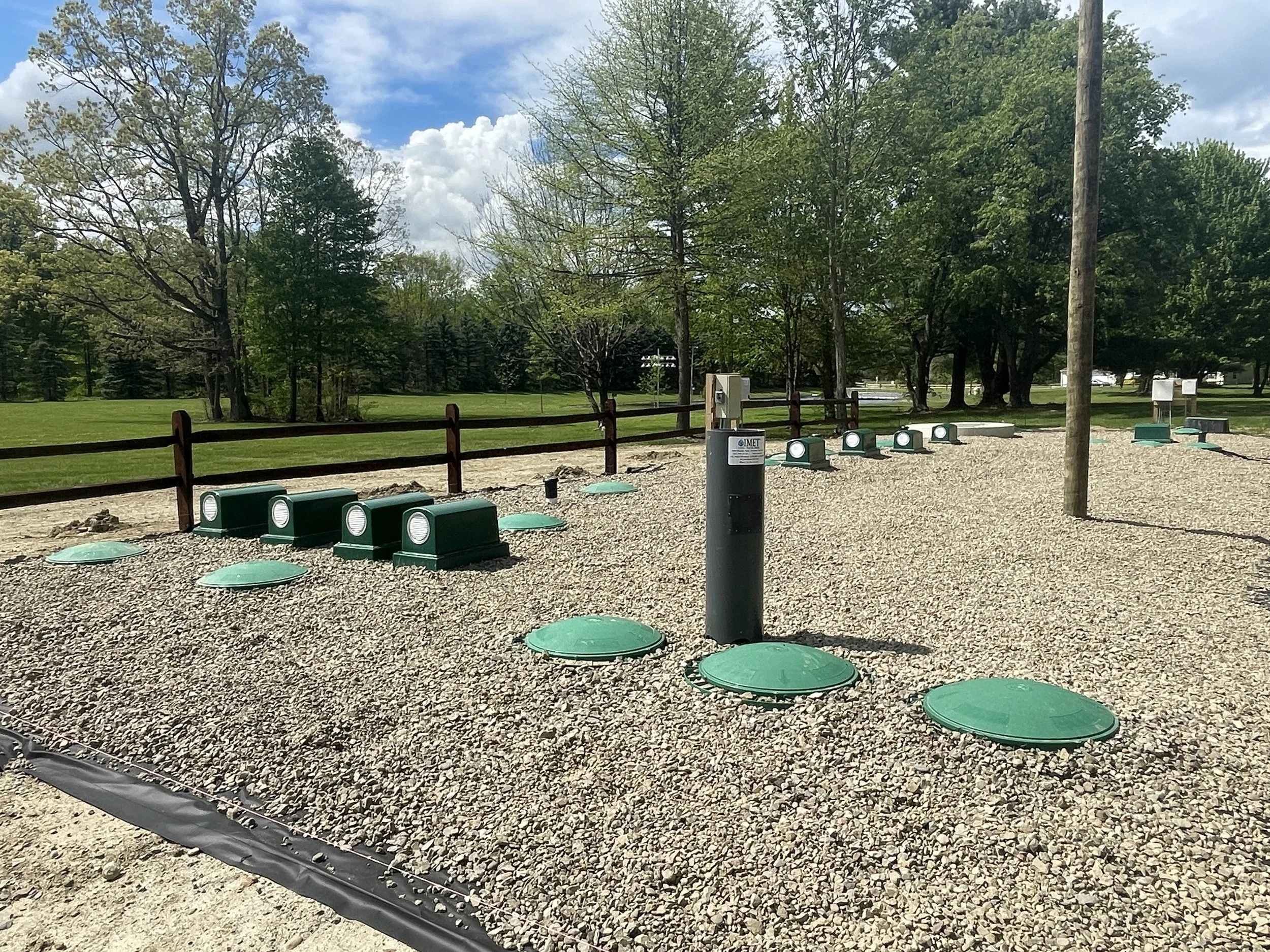
Compact 30- by 80-foot IMET ® Engineered Bioactive Porous Media (EBPM) wastewater technology treatment plant serves a 50-acre RV park
Fully aerobic system requires only 1,400 watts to operate
EPA-permitted system produces negligible bio-sludge, lowering recurring operating costs by significantly reducing pump-truck requirements and reliance on portable toilets
System treats both concentrated, high-strength waste and normal-strength wastewater under variable flow and loading conditions
System continuously seeds the drip field with aerobic microorganisms
-
The new owner of a 50-acre RV park in Northeast Ohio replaced an undersized, failing septic system with a compact 30 by 80-foot wastewater treatment plant (WWTP) powered by IMET® Corporation’s EBPM™ modular Engineered Bioactive Porous Media™ technology.
The new EPA-permitted, fully aerobic system operates on only 1,400 watts while treating both concentrated, high-strength waste and normal-strength wastewater under variable flow and loading conditions. By producing negligible bio-sludge, the system significantly reduced recurring pump-truck requirements.
-
A large RV park needed a wastewater treatment solution capable of handling seasonally variable high-strength wastewater from 258 campsites, 22 transient RV sites, and 24 primitive sites.
The onsite IMET ® WWTP also needed to manage additional standard-strength wastewater from the owner’s home, showers, and office. The existing wastewater infrastructure was undersized and outdated, creating operational challenges and compliance concerns.
-
The Potter’s Company designed a wastewater treatment system with a very small footprint (30 by 80 feet): the system is powered by multiple IMET® EBPM™ Modules, draws just 1,400 watts, and continuously seeds a new drip distribution system with diverse aerobic microorganisms.
IMET ® EBPM™ Modules are first used to treat the high strength waste from the dump station. Treated effluent from the dump station is then mixed with waste from the manager’s home, office, new lavatories and showers in a flow equalization system to manage peak loading. Two IMET ® EBPM™ modules are then used to complete the treatment of the wastewater to the required effluent limits prior to discharge to the drip dispersal system.
Each 14-inch diameter by 40-inch height IMET ® EBPM™ Module provides an exceptionally large protected biological surface area within a compact footprint through the company’s proprietary mix and arrangement of Engineered Bioactive Porous Media™. Within each IMET ® module, the Engineered Bioactive Porous Media™ provides protected, three-dimensional biological habitats where dense and diverse bacterial colonies establish, mature, reproduce, and complete their life cycles. The protected pore structure helps the bacterial community remain established through the variable hydraulic and organic loading conditions typical of RV parks and dump stations.
The large bacterial populations develop and complete their life cycle within the protected pore structure of the Engineered Bioactive Porous Media™. As bacteria age and die, they decompose within the media and are consumed by the surrounding bacterial community. This continuous biological recycling results in negligible bio-sludge production compared to conventional suspended-growth treatment systems.
-
Before making the switch, the campground owner consistently brought in pump trucks to remove wastewater and maintained a large number of portable toilets on-site. The upgrade has reduced both needs significantly, while also reducing the environmental problem of discharging wastewater that wasn’t properly treated.
Since coming online in February 2025, the IMET ® EBPM™ onsite WWTP has improved effluent at the RV park significantly. During a recent visit, water samples were taken. For a side-by-side before-and-after comparison, see images below.
The 30- by 80-foot WWTP continues to operate successfully, accumulating negligible bio-sludge and requiring just 1,400 watts. The IMET® EBPM™ Modules also continuously inoculate the downstream system with adapted aerobic microorganisms, supporting biological activity within the drip dispersal system.
IMET® EBPM™ technology mimics nature’s highly efficient approach to biological treatment through its patented aerobic packed-bed treatment module design.
In natural waterways, microbial colonies establish on and within porous materials such as rocks, sand, and sediment, where they consume dissolved organic matter and participate in nutrient transformation. IMET® EBPM™ recreates this type of protected biological habitat within a compact engineered treatment system.
“We essentially took the riverbed and brought it to the WWTP,” said Kaan Gencer, chief operating officer (COO) for IMET®.