

IMET® Pre-Treats Camp Grease Interceptor and Seeds Downstream Septic System with Aerobic Microorganisms

Published in Pumper
Problem:
Chewonki, an Internationally recognized environmental education non-profit focused on nature-based education and stewardship in Wiscasset, Maine wanted to reduce or eliminate pumping frequency of its grease interceptor and the downstream septic system while also lessening loading to its leach fields. The grease interceptor was sending significant Fats, Oils and Grease (FOG) to the septic system creating a very thick and hard build-up of bio-solids when mixed with the black and grey water, resulting in a thick bio-solids mat that was hard to pump out.
Solution:
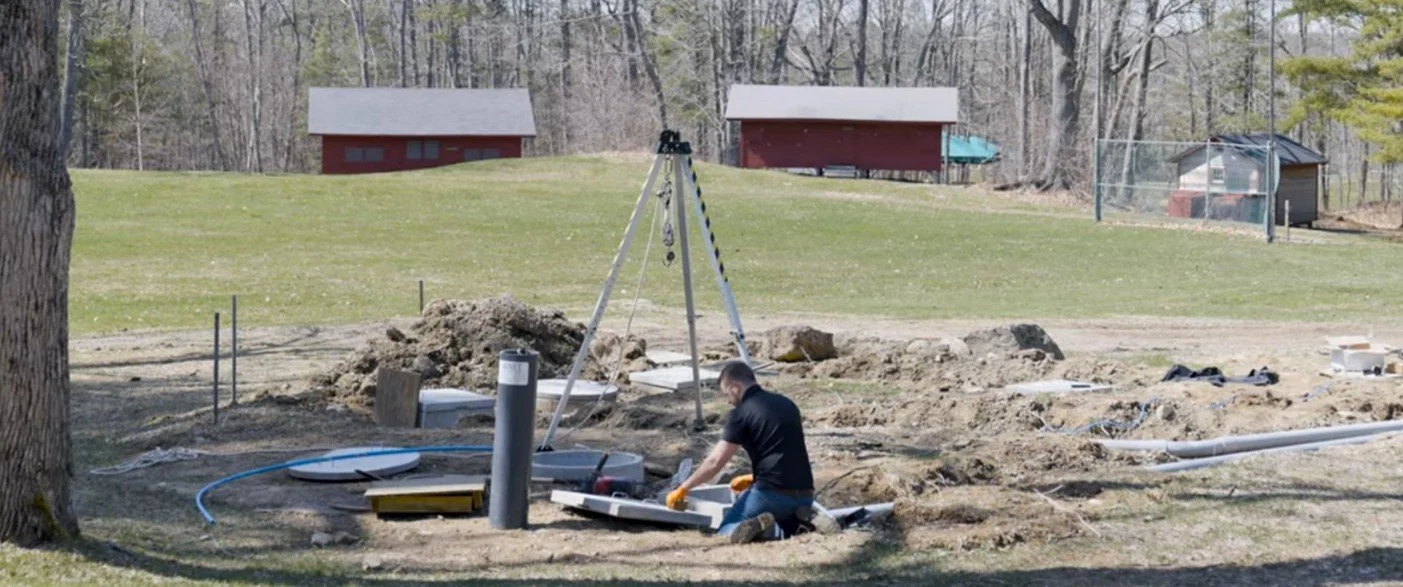
IMET® installed 2 aerobic biological modules directly into the grease interceptor to pre-treat the grease interceptor waterbody before discharging to the three-tank septic system. The IMET® modules installed also began to seed the downstream septic system with aerobic microorganisms.
Result:
Within two days of installation, the thick FOG layer in the grease interceptor was gone, with only translucent milky water remaining. Since IMET installation in 2021, the grease interceptor has sustained no FOG build up and has not required any pumping. The downstream septic tank, seeded by the IMET® system has had its pumping requirement reduced by 50%. The camp is very happy with the results and is planning to install 6 IMET® modules in the three tank septic system to provide complete treatment before effluent water is discharged to the leach field.
Tags:
